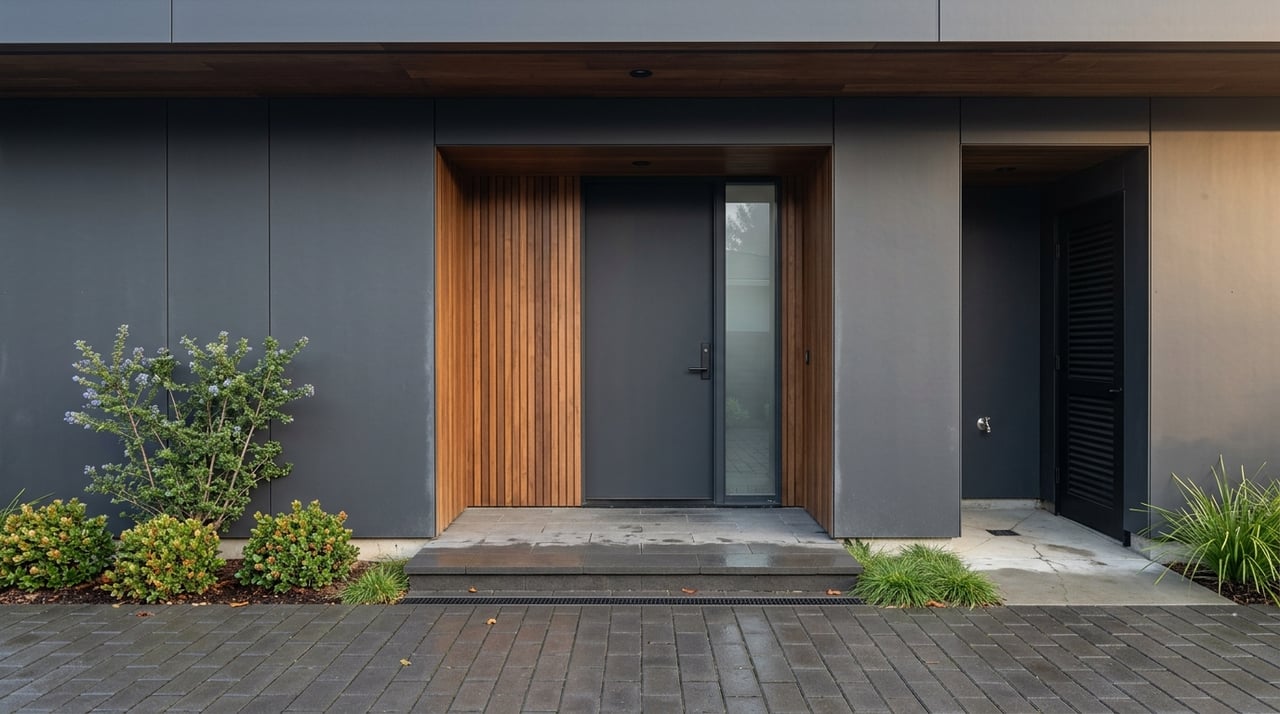
Buying a Second Home in Montara: What To Know
April 23, 2026
April 23, 2026
Dreaming about a place near the ocean sounds simple until you start looking at the real costs, rules, and tradeoffs. If you are thinking about buying a second home in Montara, you are likely balancing lifestyle goals with practical questions about financing, taxes, rental use, and long-term upkeep. The good news is that with the right planning, you can make a much more confident decision about whether this small coastal market fits your goals. Let’s dive in.
Montara is not just another Bay Area housing market. It is an unincorporated San Mateo County community, which means county planning, tax, and coastal rules play a major role in ownership decisions. For second-home buyers, that matters because the purchase price is only one part of the equation.
It is also a very small market, and that can make the numbers move quickly from month to month. According to Redfin’s Montara housing market data, the median sale price was $2.3 million in February 2026, homes went pending in about 35 days, and only 2 homes sold. Zillow’s Montara market snapshot showed an average home value of $1,481,995 and only 3 homes for sale as of March 31, 2026.
That limited inventory is part of what makes Montara attractive, but it also means you need to stay flexible. In a market this small, a handful of listings or sales can shape the data. It is best to treat short-term pricing trends as directional rather than exact.
If you are shopping for a second home in Montara, patience matters. You are looking in a scarce, high-cost coastal niche within an already expensive county. Zillow’s San Mateo County home values page reported an average county home value of $1,606,596 with 865 homes for sale, which highlights how different Montara is from the broader market.
Montara’s low supply can create urgency, but you still want to evaluate each property carefully. A second home is often a lifestyle purchase, yet in this area, ownership decisions are shaped just as much by use rights, carrying costs, and county rules as by ocean proximity.
Before you make an offer, it helps to understand how lenders define a second home. According to Fannie Mae’s occupancy guidelines, a second home must be a one-unit property suitable for year-round occupancy, occupied by you for some portion of the year, kept under your exclusive control, and not be a timeshare or primarily a rental property.
That distinction is important because a second home is not underwritten the same way as an investment property. Fannie Mae also notes that some second-home loans may have pricing adjustments. If you expect to use the property seasonally and occasionally rent it out, you should talk with your lender early so your financing strategy matches your intended use.
Property taxes can surprise second-home buyers who are used to a more straightforward owner-occupied purchase. San Mateo County says the assessor establishes value on January 1, the secured tax bill is mailed by November 1, and installments are due on November 1/December 10 and February 1/April 10. The county also notes that the tax rate is usually 1% plus voter-approved indebtedness and special charges, according to the county’s secured property tax overview.
You also need to watch for reassessment and supplemental bills after a transfer. San Mateo County explains on its change in ownership page that a change in ownership can trigger reassessment of the transferred portion, and the state process can create a supplemental tax bill that is sent directly to the owner rather than folded into a lender’s normal annual tax payment stream.
For that reason, it is smart to build your ownership budget with your lender, escrow officer, and CPA before you close. That is especially true if the home will be used seasonally or if you plan to combine personal use with some rental activity.
A lot of second-home buyers ask the same question: can I rent it out when I am not using it? In Montara, the answer may be yes, but only under specific county rules. In certain parts of the unincorporated Coastal Zone, San Mateo County allows short-term rentals of fewer than 30 days with a permit and payment of transient occupancy tax, according to the county’s short-term rental permit page.
Those rules are not minor details. The county says short-term rentals are limited to legal residences in R-1 or R-3 zoning, are capped at 180 nights per calendar year, must provide parking, must have a local contact within 20 miles, and cannot use an ADU as a short-term rental. The same page estimates permit processing at about 3 to 4 weeks and about $500.
That means you should never assume a property can function as a flexible vacation rental just because it is near the coast. Before you underwrite any future income, verify zoning, permit eligibility, parking, and other requirements tied to that specific property.
Even if a home qualifies for short-term rental use, you should be conservative about income projections. Zillow’s Montara page did not show a stable average local rent and displayed only a small number of active rental listings, which means broad online averages may not tell you much about your actual income potential.
Countywide, Zillow reported an average rent of $3,562 in March 2026 on its San Mateo County market page, but that does not automatically translate into reliable underwriting for a Montara second home. In most cases, local comparable rentals and property-specific rules will matter more than countywide averages.
There is also a tax side to consider. The IRS explains in Publication 527 that if a home is both rented and personally used, expenses generally must be divided between rental and personal use. That is another reason to speak with a CPA before you count on rental income to offset carrying costs.
The setting is a big part of Montara’s appeal, but coastal ownership comes with extra wear and planning. California’s Ocean Protection Council sea level rise guidance says sea-level rise combined with storms and high tides can increase flooding, bluff and cliff erosion, beach loss, and saltwater intrusion. The same guidance says statewide sea level rise could average about 0.8 feet by 2050 and 1.6 to 3.1 feet by 2100, though local conditions vary.
For a second-home owner, this is less about predicting one exact outcome and more about practical budgeting. Homes near the coast may need more frequent attention to drainage, corrosion, paint, roofing, and exterior materials. If the property will sit vacant for stretches of the year, you should also plan for routine vendor visits and preventative maintenance.
If you are buying with plans to expand, update, or rework the exterior, do not wait until after closing to research permits. San Mateo County’s Local Coastal Program overview says all development in the Coastal Zone requires either a Coastal Development Permit or an exemption. The county also notes that the Coastside Design Review Committee reviews development in Montara and nearby communities for compatibility with local character.
Some permits may also be appealable to the Coastal Commission. Even if your project seems modest, such as exterior changes, site work, or an addition, there may be more review steps than you would expect inland. A second-home purchase can make a lot more sense when you understand those timelines and costs up front.
A Montara second home can be a strong lifestyle fit, but the smartest purchases usually come from careful planning rather than impulse. As you compare properties, keep your review focused on the issues that matter most in this market.
Here is a simple checklist to use:
Montara offers something many buyers want and few markets can provide: a scarce coastal setting with real lifestyle appeal inside San Mateo County. But buying a second home here is not just about finding the right view or the right floor plan. It is about understanding financing rules, tax timing, rental limits, maintenance demands, and the county’s coastal permitting framework before you commit.
If you want clear, local guidance as you weigh a Montara purchase, working with a Coastside expert can help you ask the right questions before they become expensive surprises. When you are ready to talk through inventory, use cases, and what ownership really looks like here, connect with Matt Aragoni.
Stay up to date on the latest real estate trends.

I am your San Mateo County Real Estate Expert, growing up San Mateo County has given me a highly specialized insight into the local markets here. I provide my clients/network with the most up-to-date market info, local expertise, and 5 Star Quality Client Service.