Designing Outdoor Living Spaces for Pacifica Coastal Homes
March 26, 2026
March 26, 2026
If you love Pacifica’s ocean views but feel the breeze chase you back inside, you are not alone. The Coastside climate is beautiful and also unique, with cool temps, steady onshore winds, and salty air that tests materials. With the right layout, wind-smart screening, and coastal-grade finishes, you can create an outdoor space you use year-round. This guide shows you how to design for Pacifica’s microclimates, what to build with, and which approvals to check before you start. Let’s dive in.
Pacifica’s temperatures stay in a narrow range most of the year, generally in the high 40s to low 70s, with an annual average in the high 50s. Morning and evening marine layer is common, and most rain arrives October through April. You can review long-term monthly normals from NOAA for a clear snapshot of local conditions. NOAA’s climate normals for Pacifica are a helpful planning tool.
Winds are a bigger driver of comfort than temperature. Average hourly winds often run about 8 to 11 mph, with spring, especially May, typically the windiest. These onshore breezes feel stronger on exposed sites and blufftops. See the year-round patterns on WeatherSpark’s Pacifica weather page to understand when and how winds shift.
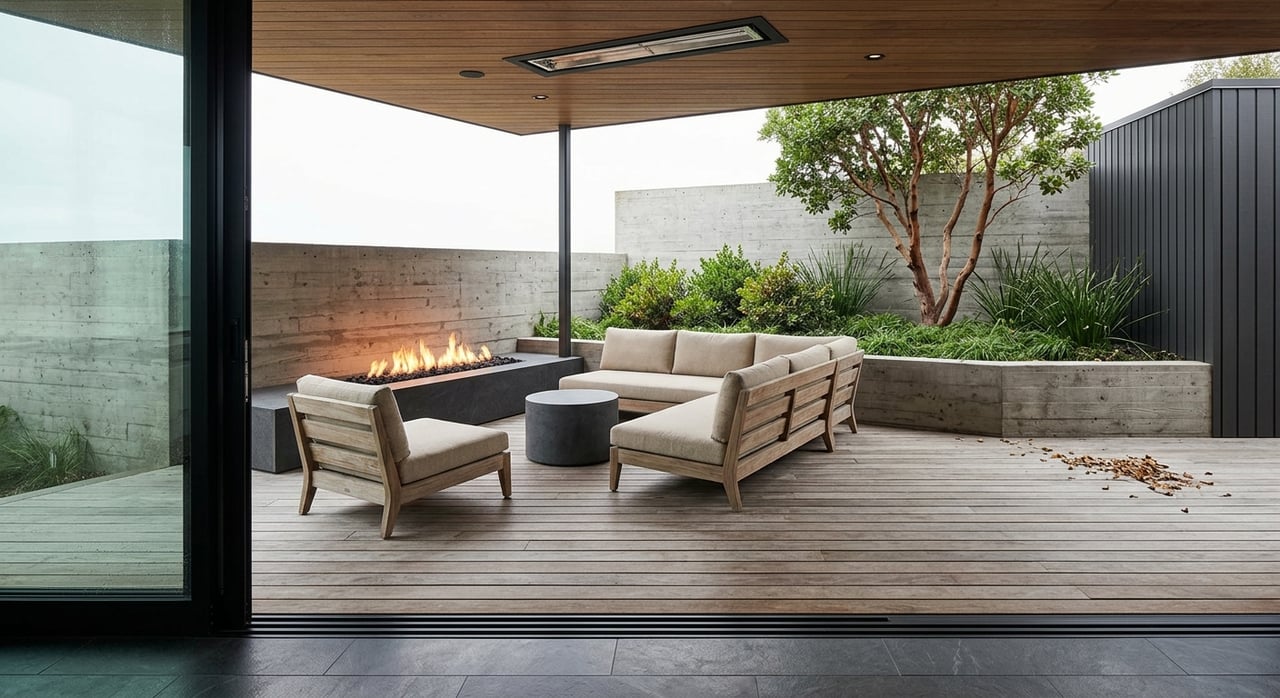
Think in microclimates, not a single big patio. Place seating on the leeward side of your home, garage, or a garden wall to create calm zones. Plan for sun “windows,” like warm morning spots or late-afternoon terraces, instead of assuming all-day sun.
Use sectional layouts that create small sheltered nooks rather than one large exposed courtyard. Add flexible elements you can adjust by season, like retractable awnings, clear side panels, and furniture you can stow if a big wind event is forecast. Integrate lighting and heating early so you can use the space on cool, clear evenings.
Wind research is clear: porous windbreaks usually beat solid walls. Barriers with about 40 to 50 percent porosity reduce wind speed without creating strong, turbulent eddies. Height and placement matter; a good windbreak can protect an area several times its own height downwind. For a deep dive into design basics, see the EPA’s windbreak guidance.
Place windbreaks a short distance upwind of your seating, roughly 1 to 3 times the break’s height. Use mixed solutions where views matter: low planters, partial hedges, and tempered glass panels that catch gusts but keep sightlines open. Sketch options and watch your site for a week to see how winds bend around nearby headlands and valleys.
Salt, fog, and steady wind accelerate corrosion. Specify 316 stainless steel (often called marine grade) for exposed fasteners, hinges, and fittings. Its molybdenum content improves resistance to chloride pitting in coastal air. Learn more about 316 stainless in this overview of marine-grade stainless.
Choose low-maintenance composite or high-density polymer decking that resists moisture and rot. If you prefer hardwoods like ipe, pair them with stainless fasteners and plan for periodic oiling or sealing. Always detail for drainage and drying with gaps and under-deck ventilation.
Select solution-dyed acrylics and quick-dry cores that handle UV, moisture, and salt better than untreated fabrics. Plan covered storage or a dedicated cabinet so cushions can be stowed before a storm.
Use tempered or laminated glass for wind screens where required by code. Detail bases and clamps in 316 stainless, and leave drainage paths at the base so saltwater cannot collect.
Stick with 316 stainless fasteners for any exposed connections. For coated metals like aluminum frames, require architectural-grade finishes rated for coastal use, such as AAMA 2604 or 2605. Avoid mixing dissimilar metals unless you isolate them to limit galvanic corrosion.
Use this simple sequence to shape your plan:
Pacifica’s coastal natives are your best allies for wind, salt, and erosion control. Regionally appropriate choices include coyote brush (Baccharis pilularis), seaside daisy (Erigeron glaucus), coast buckwheat (Eriogonum latifolium), sea thrift (Armeria maritima), and coastal bunchgrasses and groundcovers. These plants stabilize soil, buffer wind, and support pollinators. See examples used in local restoration in this coastal plant overview.
Make plantings do double duty. Mixed hedges that are about 40 to 50 percent porous slow wind more smoothly than solid hedges, and deep-rooted natives help hold slopes. If you are near a bluff edge, expect geotechnical review and coastal setbacks; many policies plan for future retreat and limit new hard armoring. Review the Coastal Commission’s notes on bluff top planning before you draw.
Add comfort with electric radiant heaters or gas appliances where allowed by local code. If you want a fire pit or portable outdoor fireplace, know that the fire code often requires minimum clearances and seasonal restrictions. Many jurisdictions reference manufacturer instructions and a common 15-foot minimum from structures and combustibles. Confirm current rules and Red Flag restrictions with local officials and review this summary of recreational fire limits.
Design your planting with defensible space in mind, especially near wildland edges. Use noncombustible materials in the first 0 to 5 feet, then space and maintain plants carefully out to 30 feet or more as required. Check your parcel on the local Fire Hazard Severity Zones resource to see if stricter rules apply.
Pacifica properties in the coastal zone may require a Coastal Development Permit or LCP clearance for new decks, pergolas, or hardscape, especially near bluff tops and beaches. Start with the City’s Planning and Building teams to understand what applies to your lot. Get oriented on the process at Plan Pacifica.
Expect building permits for structural work, and budget time for coastal review if you are within the mapped coastal zone. For larger patios or significant regrading, stormwater rules may require low-impact design measures like permeable paving or directing runoff to landscaped areas. When in doubt, ask Planning and Building to confirm thresholds early.
Salt wants to linger. Rinse exposed metal, glass, and hardware with fresh water a few times each season, and more often in windy months. Plan a mid-term coating refresh for painted or powder-coated items based on manufacturer guidance.
Keep cushions clean and dry with washable covers and covered storage. Inspect fasteners and clamps annually, especially along the ocean-facing side, and tighten or replace as needed. A small maintenance routine protects your investment and keeps your space guest-ready.
With a wind-smart layout, coastal-grade materials, and the right permits, you can enjoy the Pacifica lifestyle outside more days of the year. If you want guidance on which improvements add value for resale, or how to position an outdoor space in your listing story, let’s talk. Connect with Matt Aragoni to get local insight and a clear plan for your next step.
Stay up to date on the latest real estate trends.
I am your San Mateo County Real Estate Expert, growing up San Mateo County has given me a highly specialized insight into the local markets here. I provide my clients/network with the most up-to-date market info, local expertise, and 5 Star Quality Client Service.