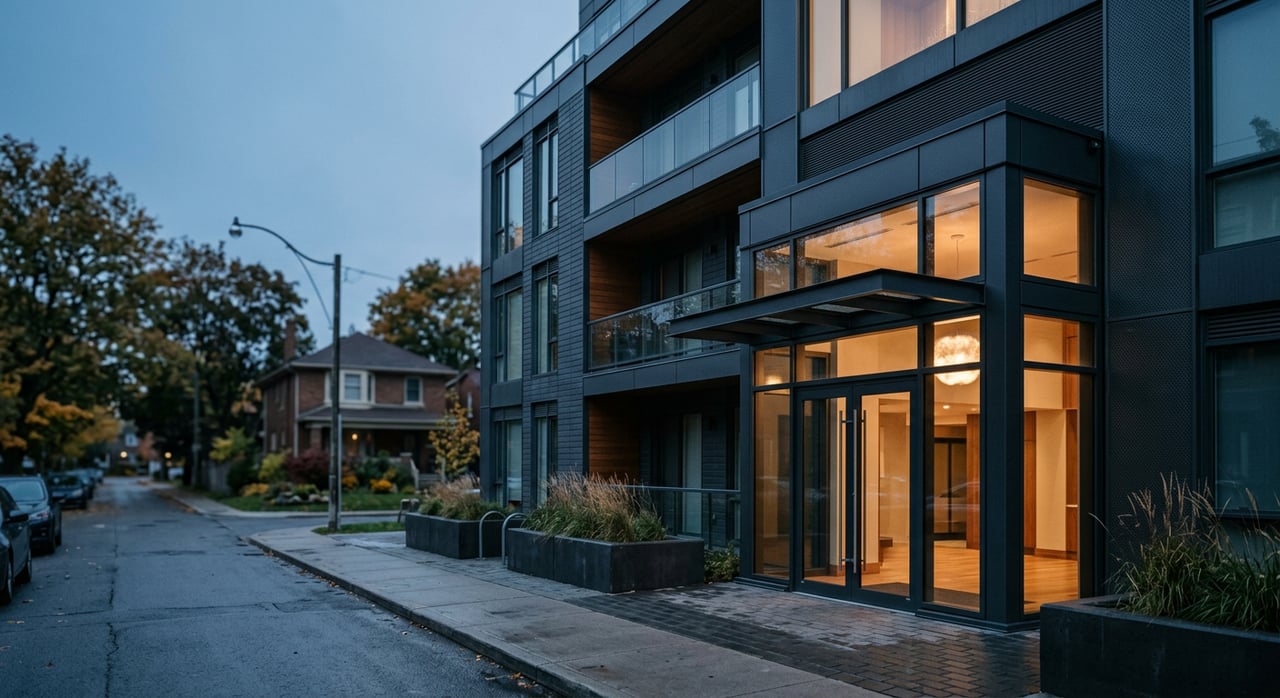
San Mateo Condo vs Single-Family: Costs and Tradeoffs
March 12, 2026
March 12, 2026
Are you torn between a condo and a single-family home in San Mateo? With tight inventory and big price swings by property type, it’s normal to wonder where your money goes and what tradeoffs you’re really making. In this guide, you’ll see how upfront and ongoing costs compare, how financing and HOA rules can change the math, and what to watch for in building-level risks. You’ll also get a simple decision checklist, three real-life buyer scenarios, and a quick calculator to run your numbers. Let’s dive in.
San Mateo’s city median sale price hovered around $1.45 million in January 2026. At the county level, detached single-family homes carried a median sale price near $2,058,000 in December 2025, which underlines how costly SFRs are across the Mid-Peninsula. Recent resale condos in San Mateo often traded in the roughly $600,000 to $1.1 million range in early 2026, with larger or newer townhomes sometimes approaching SFR pricing. The takeaway: many condos price well below detached homes, but specific buildings and unit types vary a lot.
For context, county medians and month-to-month trends help you set expectations and refine your search. The California Association of REALTORS® county report is a good starting point for detached-home medians and sales activity. You can use these benchmarks to frame your budget, then narrow to neighborhood and building-level comps as you get serious about a purchase. Refer to the county’s latest numbers for the most current snapshot of detached-home pricing and sales velocity.
Purchase price is the biggest driver. Detached homes on the Mid-Peninsula typically command seven-figure prices that sit well above many condo options. That gap can lower your down payment needs for a condo, even when you factor in closing costs. Newer townhomes or luxury condos may narrow this spread, so use building-level comps before you set a firm number.
Condo mortgages are underwritten on two fronts: you as the borrower and the building itself. Lenders and agencies look at a project’s financials, reserves, owner-occupancy levels, litigation status, and insurance. If the project is not already approved, you may need a single-unit approval or a conventional loan that accepts the project as-is, which can add time or raise down payment requirements. Review the project’s financing status early so your loan plan matches the building you love. Learn how FHA handles single-unit approvals in the federal rule at 24 CFR § 203.43b and see practical lending guidance in LendingTree’s condo mortgage overview.
Budget for escrow and title fees, lender costs, prepaid interest, property tax and insurance reserves, and transfer-related items. Condo buyers should also expect HOA document fees when reviewing CC&Rs, budgets, and reserve studies. Customs can vary by city and transaction type, so get an itemized estimate from your lender and escrow early in the process.
HOA dues in San Mateo vary widely by building and amenities. You might see dues in the low hundreds per month for a modest complex and well over $1,500 per month for full-service buildings. Dues typically cover the building’s master insurance policy, exterior maintenance such as roofing and siding, common-area upkeep, landscaping, and shared utilities or amenities. Always read the CC&Rs and the master insurance policy to confirm what the HOA covers and what remains your responsibility. For governance and default responsibilities in California, see the Davis–Stirling resources at FindHOALaw.
Single-family owners should plan on a maintenance reserve, often cited as roughly 1 percent of home value per year, with higher ranges for older homes. This helps cover exterior items like roofs, siding, fencing, and major systems over time. Condo owners trade many exterior costs for predictable HOA dues, but you still pay for interior upkeep and may face special assessments if the building needs capital work. See a simple overview of annual maintenance budgeting in this guide to the 1 percent rule.
Condo owners typically carry an HO-6 policy that covers interior finishes, personal property, liability, and loss-assessment coverage, while the HOA’s master policy covers the shell and common areas. Single-family owners usually carry an HO-3 policy that covers the structure and contents. Knowing how your private policy and the HOA’s master policy fit together helps you avoid gaps and surprises. Learn the basics of HO-6 coverage from Hippo’s explainer.
California property taxes follow Prop 13. Your assessed value resets at purchase, then annual increases are capped, and you also pay voter-approved bonds and assessments on top of the 1 percent base rate. For a given home, the county assessor is your best resource for the exact effective rate. See the State Board of Equalization’s overview in Publication 29.
An HOA with strong reserves can smooth long-term costs. Underfunded reserves, pending defects litigation, or major capital projects can lead to special assessments that add thousands to your cost basis. Before you write an offer, request the full HOA packet: CC&Rs, bylaws, meeting minutes, 2 to 3 years of budgets, reserve studies, insurance documents, litigation disclosures, and any notices of upcoming repairs. The Davis–Stirling framework and related Civil Code sections set default rules in California. Start with the resources at FindHOALaw.
California requires periodic inspections of exterior elevated elements like balconies and walkways. For condos and common interest developments, SB 326 sets inspection and repair timelines that can trigger near-term capital work in older buildings. Ask for the latest inspection reports and any related bids so you can price in those risks. Read more on SB 326’s impact on HOAs here.
Use this checklist to narrow the path that suits your budget and lifestyle:
You want a manageable payment, close-in location, and minimal maintenance. Resale condos or townhomes near transit and amenities often fall in the $600,000 to $900,000 band for many one to two bedroom options, with some outliers above or below. Pros include a lower down payment and less exterior maintenance. Cons include HOA dues that increase the monthly payment and the need to confirm building warrantability before you rely on low-down or agency programs. Learn how lenders view condo projects in LendingTree’s guidance and the FHA rule at 24 CFR § 203.43b.
You value lock-and-leave living, controlled expenses, and access to amenities. A well-managed condo or townhome can deliver that. Budget for HOA dues that bundle exterior upkeep, then confirm the association’s reserves and any SB 326 inspection outcomes to avoid near-term surprises. Ask for the master insurance policy and make sure your HO-6 coverage aligns with the HOA’s deductible and loss-assessment provisions. See HO-6 basics in Hippo’s explainer and SB 326 details here.
You are modeling cash flow and long-run liquidity. Check CC&R rental limits, investor concentration, and project warrantability since each affects both loan options and your future buyer pool. Some Bay Area projects have tighter rental rules or higher dues that compress yield. Underwrite with realistic HOA dues, potential assessments, and vacancy. For lending and underwriting context, see LendingTree’s overview.
Use this quick framework to compare a San Mateo condo and an SFR side by side:
Request and review these items before you commit:
In San Mateo, condos often offer a lower entry price and simpler upkeep, while single-family homes offer privacy, land, and control at a higher cost of ownership. The right choice comes down to your budget, tolerance for variable expenses, and the building-level details that can change the math. If you want a local, data-informed plan for your situation, connect with Matt Aragoni for a quick strategy session.
Stay up to date on the latest real estate trends.
I am your San Mateo County Real Estate Expert, growing up San Mateo County has given me a highly specialized insight into the local markets here. I provide my clients/network with the most up-to-date market info, local expertise, and 5 Star Quality Client Service.