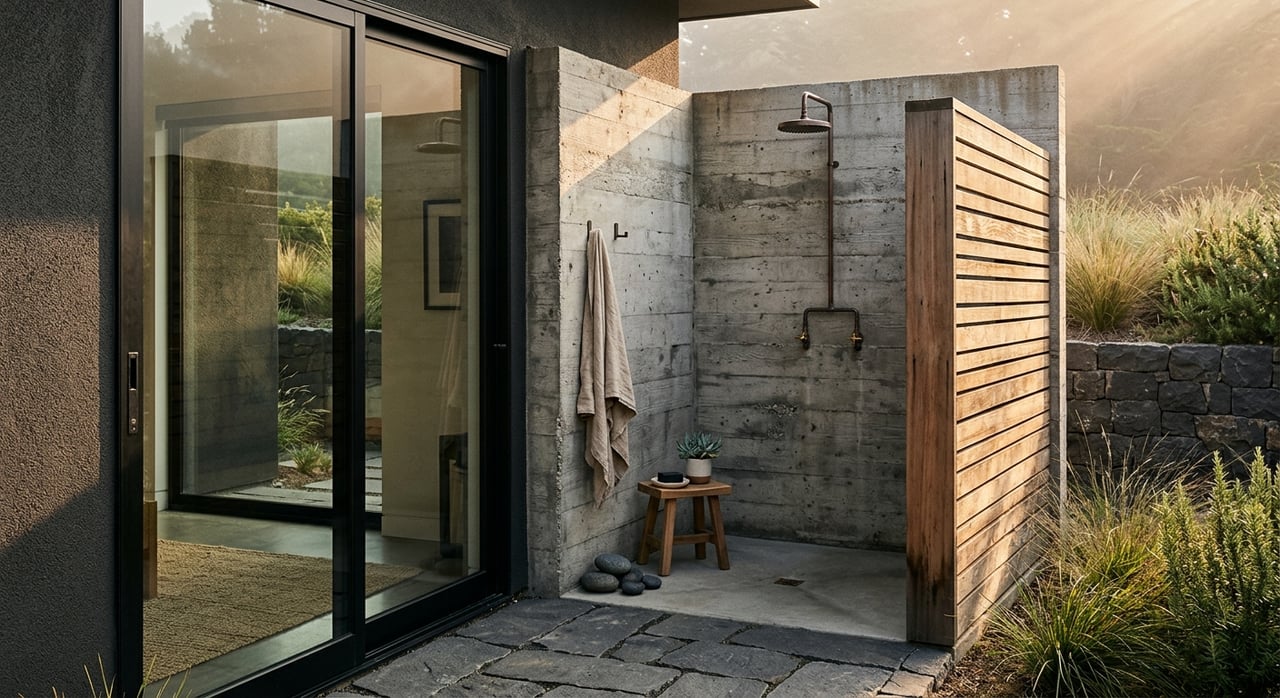
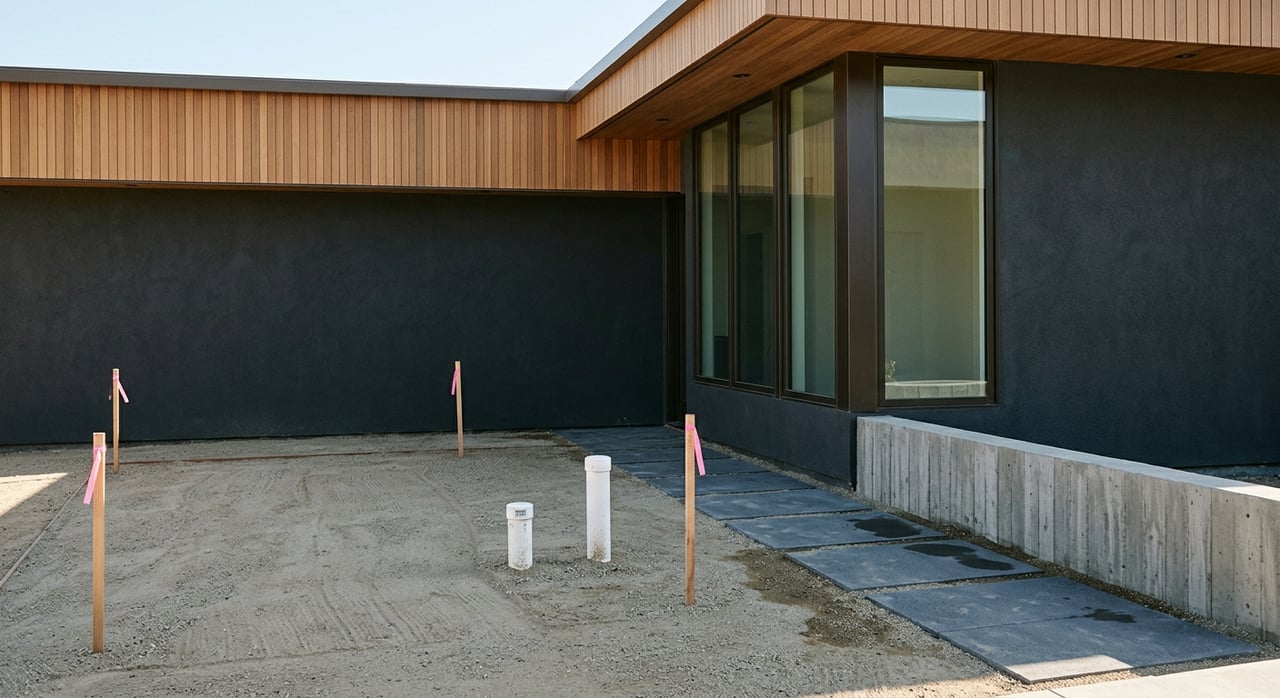
In Hillsborough, the land often matters as much as the house. You see estate-size lots, mature trees, and a mix of classic, mid-century, and contemporary homes that feel distinctly different from nearby towns. If you are shopping here, the architecture signals how a home lives, what it may cost to maintain, and what you can change through the town’s review process. This guide breaks down the main styles you will see, what to check during due diligence, and how to plan smart upgrades. Let’s dive in.
How local rules shape every home
Hillsborough’s character starts with its large parcels. The Town set a minimum lot size in 1953, which is why you find low density, privacy, and estate settings today. That policy still shapes value and what can be built or subdivided. You can explore that history in the Town’s summary of how minimum lot sizes took root and why they matter now (History of Hillsborough).
Most visible exterior changes go through the Architecture & Design Review Board and staff review. The Town publishes detailed Residential Design Guidelines that list stylistic families and set expectations for massing, materials, and fit with the surroundings. Modernist designs often receive close scrutiny to ensure quality and neighborhood compatibility (Residential Design Guidelines: Styles).
Trees and landscape also drive design choices. Hillsborough’s updated Tree Protection Ordinance defines protected trees and sets removal and replacement rules. That affects site plans, grading, additions, and teardowns, so budget time for arborist input if you plan major work (Tree Protection Ordinance Update).
The major styles you will see
Classic estates and revival mansions
Hillsborough’s early estates include Beaux-Arts and French Chateau showpieces like Carolands, along with Mediterranean or Spanish Revival, Tudor, and Colonial Revival homes. These properties often sit on the largest parcels and feature formal entries, symmetry, imported stone or ornamental plaster, and extensive gardens (Carolands).
What you will notice:
- Steep or complex rooflines, sometimes slate or clay tile.
- Stucco or masonry façades with balanced window patterns.
- Formal, axial layouts and separate service wings.
- Estate-scale landscaping that creates privacy.
Buyer takeaway: These homes are ideal if you value formal entertaining spaces, mature gardens, and architectural detail. Expect higher maintenance for legacy materials like slate roofs or plaster, and plan for specialist contractors during updates.
Mid-century modern and post-war ranches
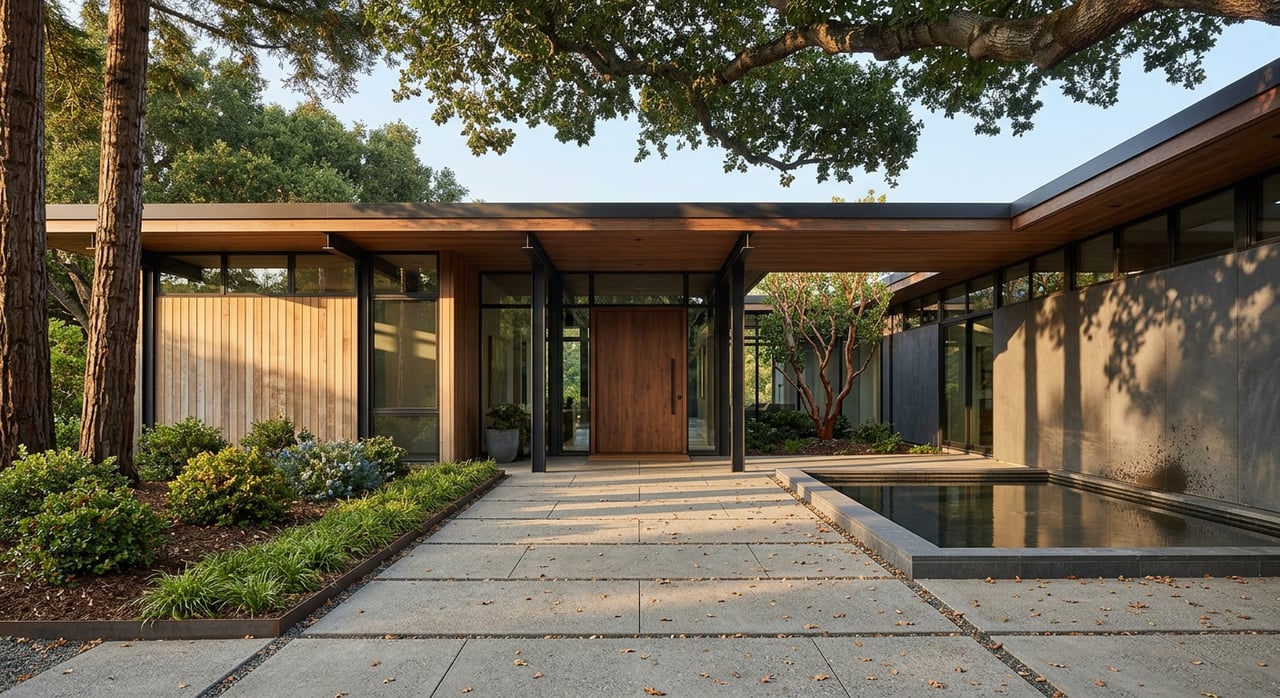
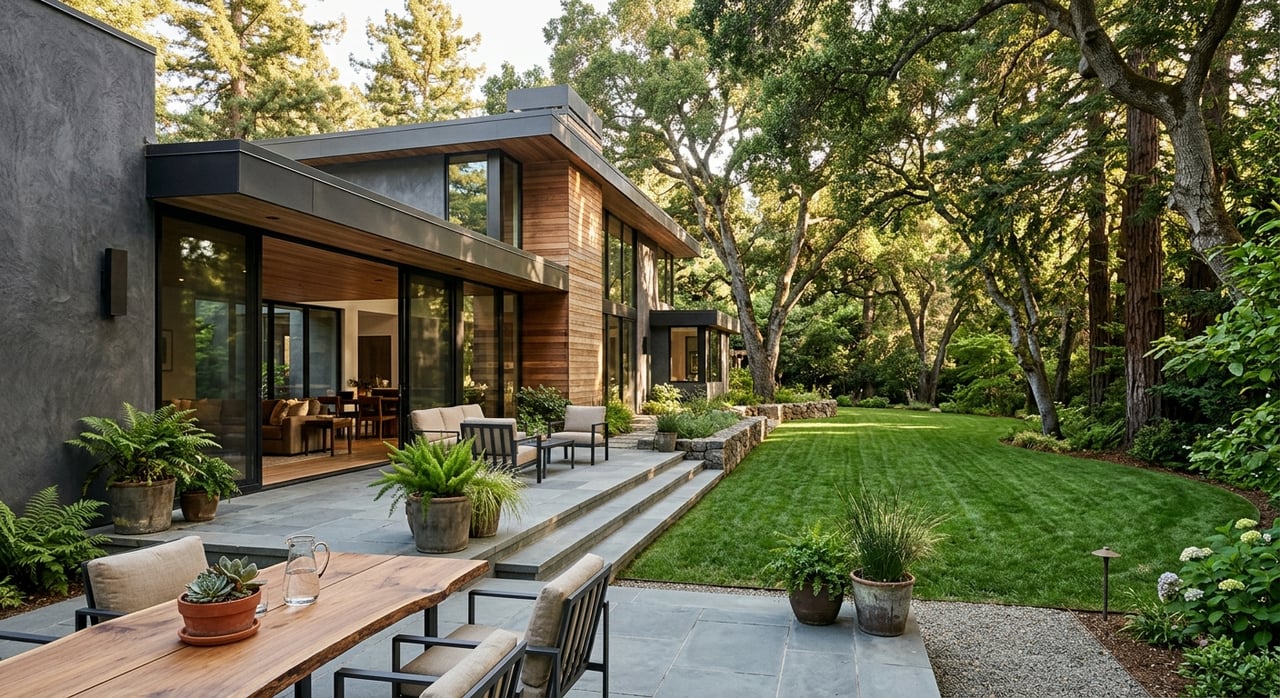
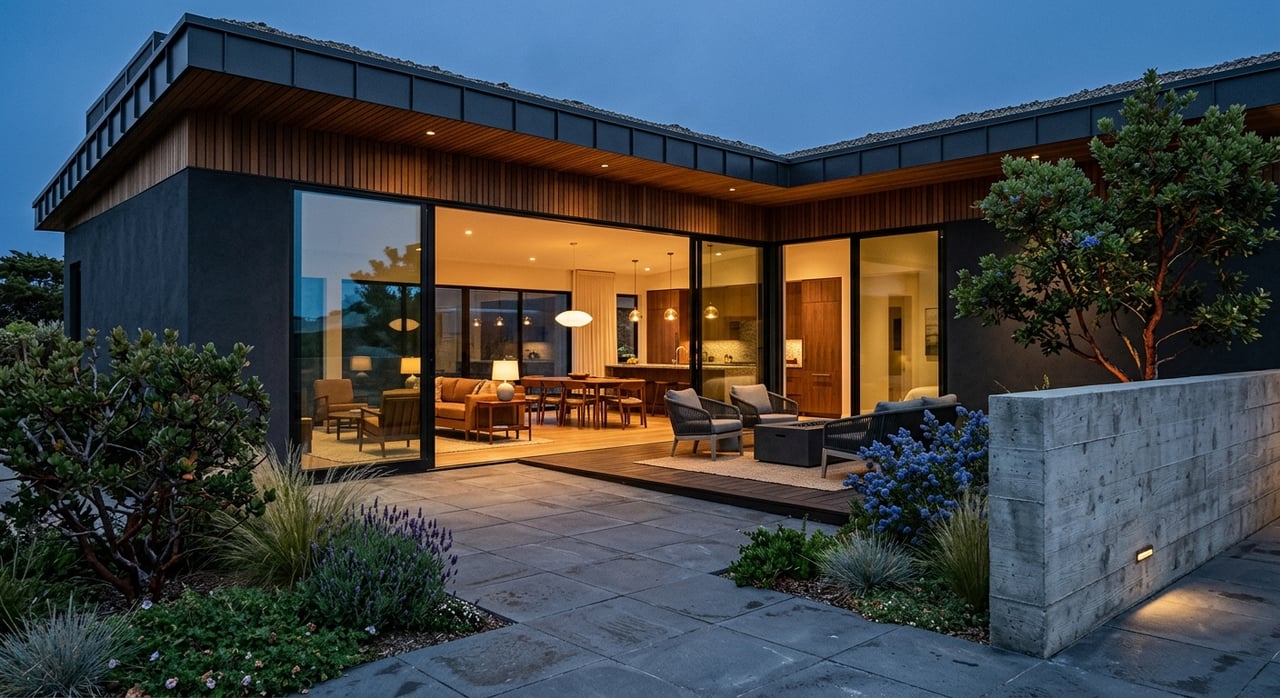
Hillsborough’s mid-century inventory includes custom modernist homes and ranches influenced by indoor-outdoor living. Look for low profiles, wide glass walls, clerestory windows, and post-and-beam details. A standout example is the Frank Lloyd Wright–designed Bazett House, which highlights the town’s strong Modern lineage (Bazett House).
What you will notice:
- Broad horizontal massing and simple rooflines.
- Large window walls and strong yard connections.
- Open plans that combine living, dining, and kitchen zones.
Buyer takeaway: If you love daylight, clean lines, and an easy flow to the yard, mid-century homes deliver. Watch for flat or low-slope roofs that may need attention, single-pane glass, and older radiant or electrical systems. Structural changes can be complex due to post-and-beam framing.
New luxury builds and contemporary rehabs
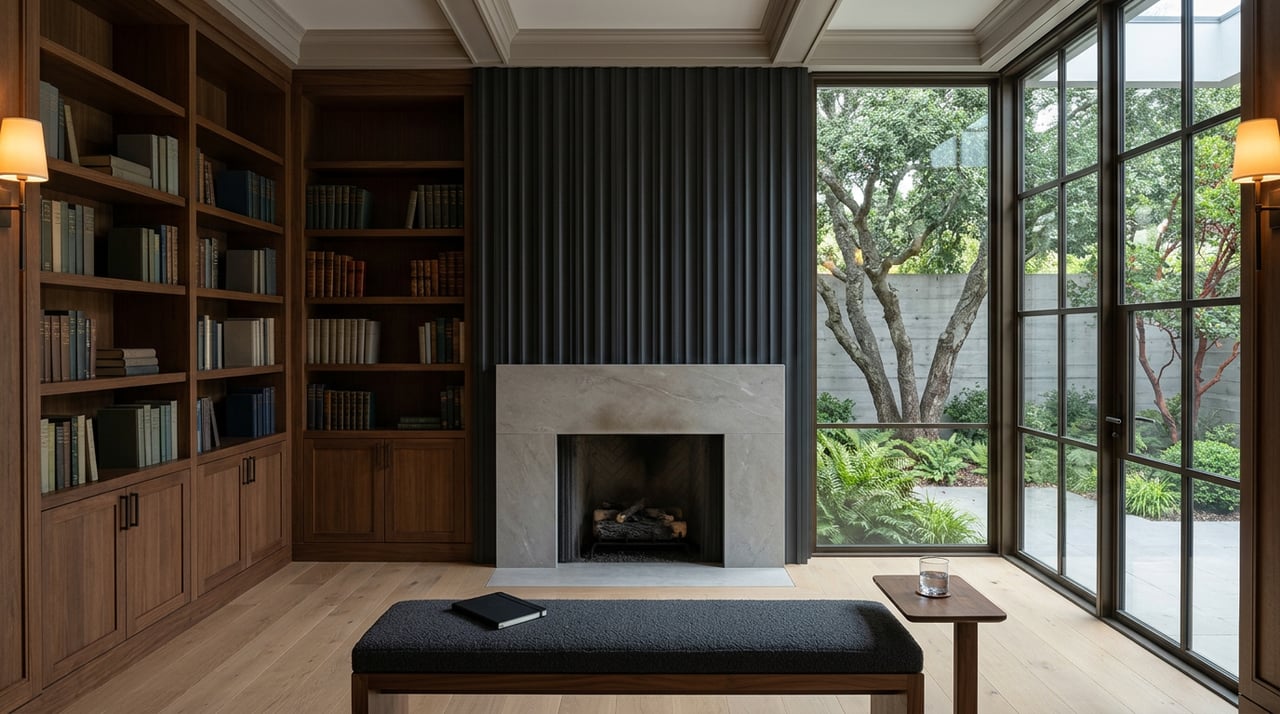
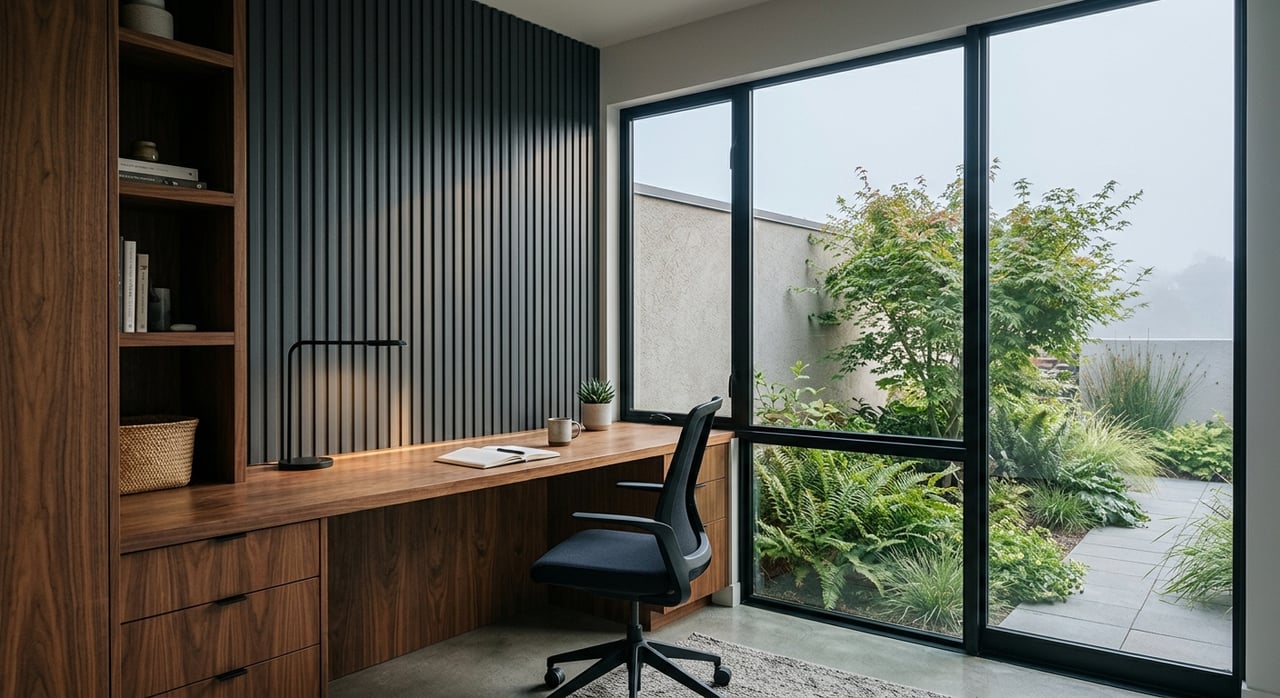
From the 1990s to today, many Hillsborough properties have been rebuilt or significantly remodeled. You will see open great rooms, multiple en-suite bedrooms, dedicated offices and media rooms, and resort-style outdoor spaces. These homes often include advanced HVAC, automation, and high-performance glazing.
What you will notice:
- Floor-to-ceiling glass, large kitchens with statement islands.
- Integrated indoor-outdoor living and generous patios or pools.
- Clean, contemporary finishes and smart-home systems.
Buyer takeaway: Newer builds are attractive if you want turnkey systems and modern living from day one. You may trade off some mature canopy and deep privacy for newer landscape that takes time to fill in.
Renovated classics and hybrids
Many older mansions have been thoughtfully modernized. Owners preserve the façade and formal circulation while updating kitchens, adding baths or elevators, and improving mechanical systems. The Town’s Guidelines encourage authentic preservation with careful modernization so the style reads true while the home functions like new (Residential Design Guidelines: Styles).
Buyer takeaway: You can get best of both worlds, but be sure upgrades were done with respect to the original style. Incompatible finishes or massing changes tend to underperform on resale.
What each style signals about living and upkeep
Classic estates: lifestyle, maintenance, and change potential
- Lifestyle: Grand entertaining, defined formal rooms, and privacy on mature grounds. Large service areas and sometimes basements support staff spaces or gyms.
- Maintenance flags: Slate or clay tile roofs, plaster walls, original windows, and legacy plumbing or wiring can require specialist trades. Expect higher upkeep costs for stone, ornamental plaster, and large roof systems.
- Renovation potential: Often good due to large lots and footprints, though exterior changes will likely require review through the Town’s processes. Budget for preserving character during upgrades.
Mid-century modern: lifestyle, maintenance, and change potential
- Lifestyle: Open plans, daylight, and seamless yard access. Many are single level, which can be helpful for long-term living.
- Maintenance flags: Flat or low-slope roofs that need diligent care, single-pane glass, older radiant systems, and possible asbestos or dated insulation in mid-century materials.
- Renovation potential: Strong for targeted updates like HVAC, insulation, and glazing. Large design moves, such as altering rooflines or big glass walls, often face closer design review to ensure high-quality Modern execution.
New builds: lifestyle, maintenance, and change potential
- Lifestyle: Turnkey systems, multiple en-suites, flexible spaces for work and media, and high-performance comfort.
- Maintenance flags: Fewer near-term system issues. The common tradeoff is time for new landscapes to mature and provide full privacy.
- Renovation potential: Exterior changes that are visible from the street still trigger review. Most value-add comes from outdoor living enhancements and landscape maturity.
Permits, process, and due diligence
In Hillsborough, planning ahead saves time and money. Many projects benefit from a pre-application conversation with Planning or a preliminary review with the Architecture & Design Review Board. Start at the Town’s process pages to map out steps and thresholds (Planning Applications; Architecture & Design Review Board).
Here is a focused checklist for buyers:
- Lot, setbacks, and easements
- Confirm lot area, building setbacks, and any easements. This frames what is possible for additions or a rebuild.
- Sewer lateral requirement
- The Town requires a sewer-lateral inspection on sale. Request recent reports and plan for repairs if needed (Town FAQs).
- Specialty inspections
- Lead paint: Homes built before 1978 may contain lead. If you plan to disturb painted surfaces, follow EPA RRP rules and hire certified pros (EPA RRP guidance).
- Asbestos: Older materials can contain asbestos. If you plan to remove or disturb suspect materials, test and use certified abatement.
- Electrical: Many older estates have legacy wiring like knob-and-tube. Insurers often want upgrades and panel capacity checks.
- Seismic readiness
- Pre-1980 homes often benefit from bolt-and-brace retrofits. Basic retrofits are commonly in the low four figures for raised foundations, while hillside or comprehensive work varies by scope. The California program outlines typical techniques and assistance (CRMP retrofit overview).
- Slopes, drainage, and grading
- On hillside lots, plan for geotechnical input, drainage improvements, and possible grading permits. Combine this with any large landscape or addition work.
- Trees and landscape
- Review the Tree Protection Ordinance early. Protected trees and replacement rules can affect where and how you build, as well as your construction timeline (Tree Protection Ordinance Update).
Cost and timing signals to consider
- Seismic retrofits: Basic bolt-and-brace work often falls in the low four figures, while more complex hillside or foundation projects can be much higher. Pair seismic work with other remodeling to reduce disruption and cost where possible (CRMP retrofit overview).
- High-end updates: Upscale kitchens, large glazing replacements, and whole-home system upgrades vary widely in cost. In Hillsborough, mature trees, slope, and the review process can extend timelines. Get at least two local bids and factor ADRB and Planning reviews into your schedule.
How style affects value and resale
- Land and privacy drive premiums. Large lots and established canopy are scarce in Hillsborough due to long-standing minimum lot standards, which is why teardowns happen when buyers want a new plan without giving up a prime site (History of Hillsborough).
- Different buyers value different things. Classic estate fans prize authentic period detail and formal rooms. Modern enthusiasts value clean lines and indoor-outdoor flow. New-build buyers want turnkey comfort and efficiency.
- Respect the style. Updates that align with a home’s architectural language tend to perform better on resale than mismatched makeovers. The Town’s guidance also emphasizes quality execution, especially for Modern designs (Residential Design Guidelines: Styles).
Quick style comparison checklist
Use this simple scan when touring a property:
Classic estate
- Curb appeal: tile or slate roof, stucco or masonry, formal symmetry.
- Inside: grand entry, formal living and dining, service areas or basement.
- Ask about: roof age, window upgrades, plumbing and wiring, plaster condition.
Mid-century modern
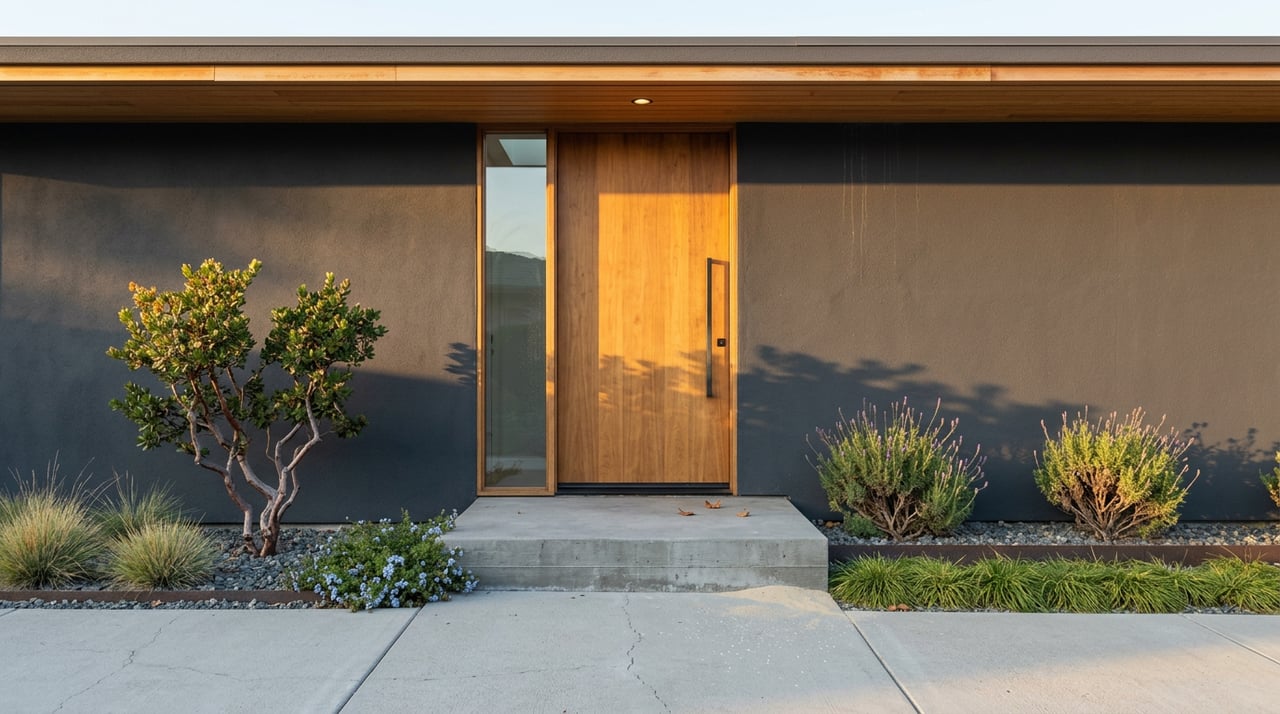
- Curb appeal: low profile, big glass, simple rooflines.
- Inside: open plan, direct yard access, original post-and-beam details.
- Ask about: roof condition, glass upgrades, radiant or electrical systems, insulation.
New luxury or rebuilt
- Curb appeal: clean lines, expansive glazing, modern materials.
- Inside: large kitchen, multiple en-suites, tech-forward systems.
- Ask about: landscape maturity, ADRB history for the site, energy features.
If you want help aligning style with lifestyle, budget, and timelines, a local plan can save you months. A quick review of lot constraints, tree rules, and the ADRB process will keep your path to move-in or remodel on track.
Ready to explore Hillsborough with a data-backed, design-savvy plan? Connect with Matt Aragoni for local guidance on style, due diligence, and value. Get a free Coastside home valuation or schedule a consultation.
FAQs
What makes Hillsborough architecture unique for buyers?
- Large lots, mature trees, and a mix of classic estates, mid-century homes, and newer luxury builds shape lifestyle, privacy, and upgrade paths.
How does Hillsborough’s design review affect remodels?
- Most visible exterior changes go through staff or the Architecture & Design Review Board. Plan early consults to align design, timeline, and budget.
What should I inspect first in an older estate?
- Start with roof, windows, electrical capacity, plumbing, and any lead or asbestos risks. Add a sewer-lateral scope and check the home’s permit history.
Are mid-century modern homes hard to update?
- Targeted updates are straightforward, but moving rooflines or big glass walls can be complex and often draw closer design review. Plan with an experienced team.
Does the Town require a sewer-lateral inspection at sale?
- Yes. A sewer-lateral inspection is typically required on sale. Ask for the latest report and budget for repairs if needed.