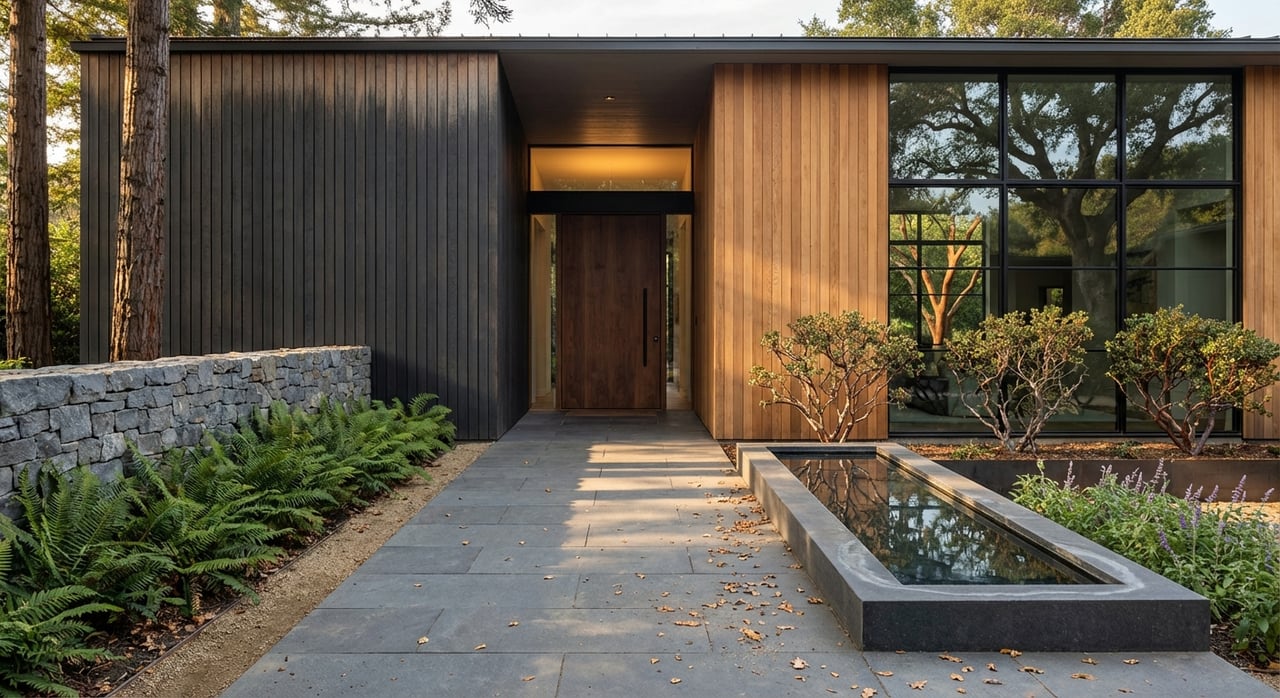
Preparing Your Portola Valley Estate for a Successful Sale
February 26, 2026
February 26, 2026
Selling a Portola Valley estate is not like listing a typical suburban home. You are balancing privacy, acreage, complex systems, and a small pool of discerning buyers who expect turnkey confidence. In this guide, you will learn how to prepare, document, and present your property so buyers move forward without hesitation. Let’s dive in.
Portola Valley is a very low-volume, high-value market, so one or two large closings can skew price metrics. That is why relying on a single public “median price” can mislead you. For an estate, you want current, hyper-local comps from the MLS and a broker who knows the micro-market.
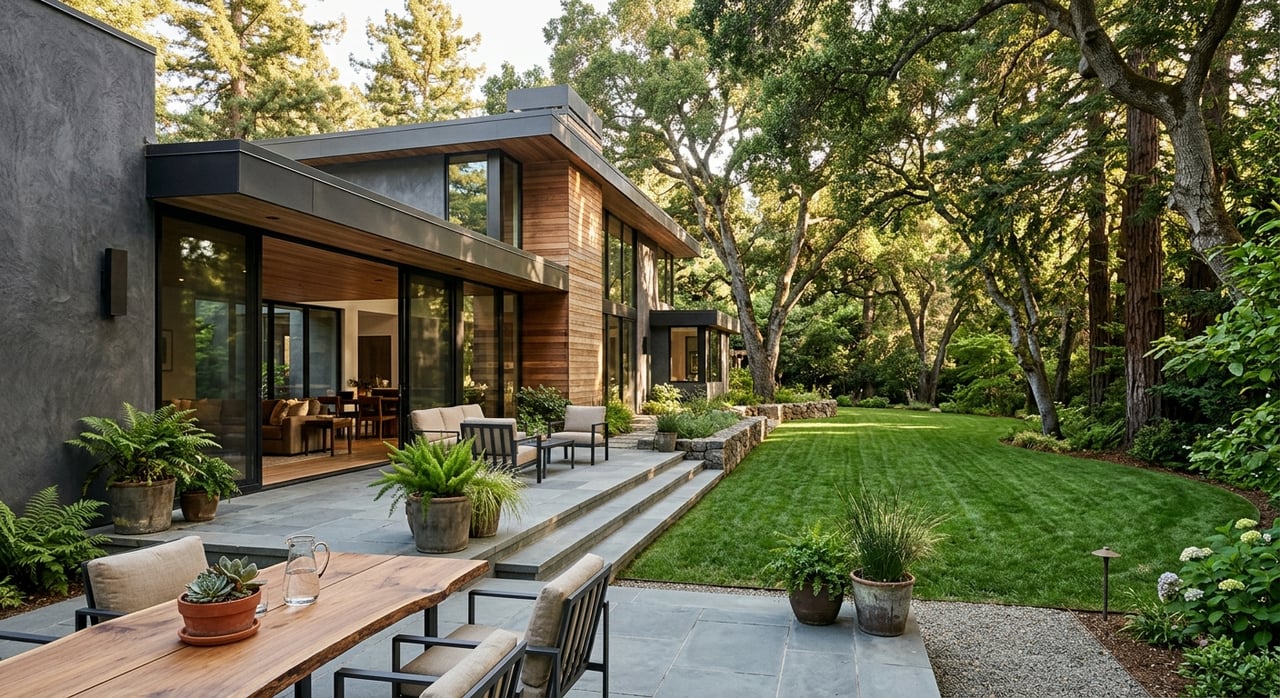
Buyer priorities in this area typically center on privacy, acreage, mature landscaping, and functional accessory spaces like guest houses, equestrian facilities, or studio/office suites. Many high-end transactions start with targeted outreach to vetted buyers who value discretion. Lead with lifestyle in your marketing package, not just room counts, and back your story with impeccable documentation.
A thorough pre-listing inspection reduces surprises and renegotiations. Prioritize these:
Offer serious buyers a clean, well-organized disclosure packet. Confidence in the property condition helps protect your price.
Document the systems that matter for estate buyers:
A simple binder or digital property book that compiles permits, warranties, and service logs signals easy ownership.
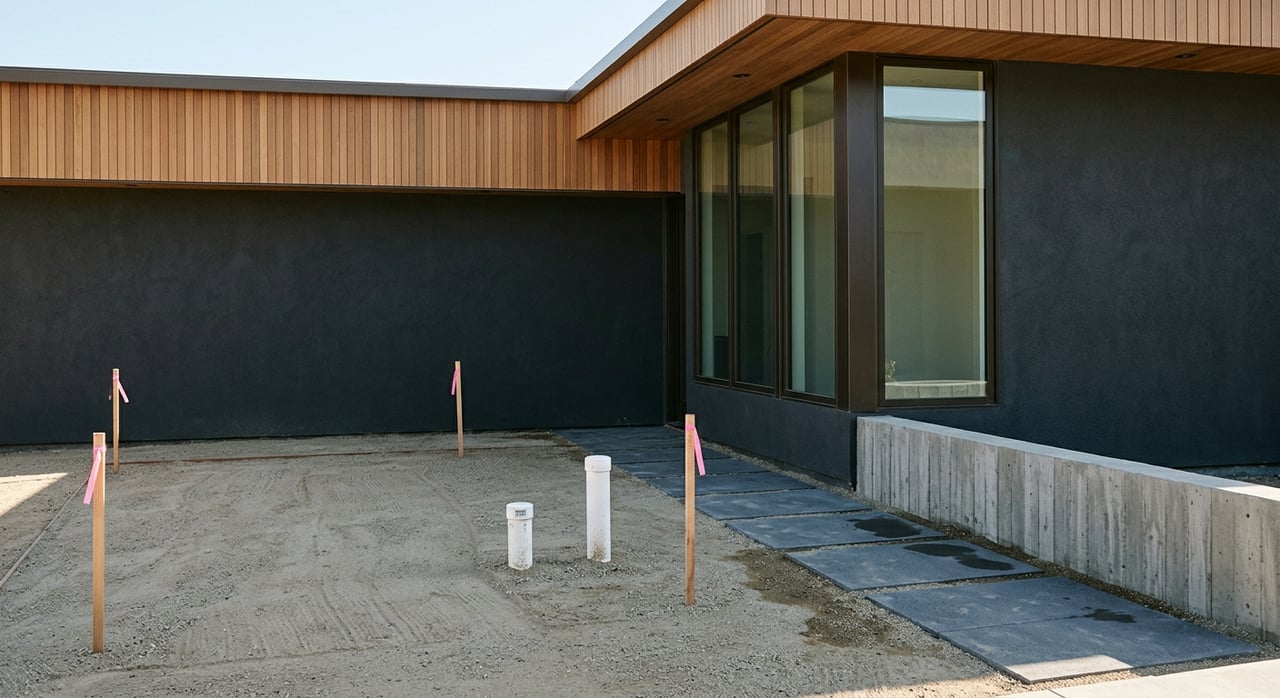
Estate buyers start forming opinions at the gate. Regrade ruts and refresh gravel or asphalt, service automatic gates and remotes, and make guest parking obvious. Clear, well-lit signage and a tidy arrival sequence set the right tone before buyers ever open the front door.
If the property includes paddocks, arenas, barns, or workshops, present them clean, odor-free, and safe to walk. Repair latches, replace any damaged boards, and empty stalls for showings. Keep recent receipts for veterinary infrastructure or upgrades in your property book so buyers see a functional, well-maintained setup.
Mow grass, trim trees near structures, and remove dead vegetation. In wildfire-prone areas, defensible space is more than curb appeal. California recommends an ember-resistant zone within the first 5 feet of structures and reduced fuels up to 100 feet. Review the state’s guidance on home hardening and defensible space, then document the work with before-and-after photos for buyers and insurers.
Portola Valley also shares wildfire preparedness updates and resources. Check the town’s announcements for current programs and insurance information at the local news page: Portola Valley wildfire preparedness update.
The town provides a Residential Data Report that outlines zoning, permits of record, and any special restrictions. Requesting it early helps avoid late-stage surprises. Access the town guidance here: Town requirements for selling property in Portola Valley.
California requires the Real Estate Transfer Disclosure Statement and Natural Hazard Disclosure. You must disclose known material facts, including easements, boundary issues, and the status of wells or septic systems where applicable. Review the statutory form reference in the Civil Code: California Civil Code §1102.6.
Large parcels may include conservation or trail easements, or lie near open space preserves that shape land use and privacy. Identify any recorded easements and summarize their practical effects for buyers. For regional context, see Midpen’s Hawthorns area planning overview: Hawthorns Area Plan.
Many estates sit on private roads or shared driveways. Locate any recorded maintenance agreements, road association documents, and recent invoices. If no agreement exists, discuss how costs are shared and be ready to disclose known obligations. Clear, early answers build trust and reduce deal friction.
Staging helps buyers visualize an estate’s scale and flow. Focus on the entry, great room, primary suite, and outdoor living areas. For larger or vacant homes, select appropriately scaled furnishings and create a few hospitality-style vignettes. For more on how staging influences buyers, see the National Association of Realtors’ overview: NAR staging resources.
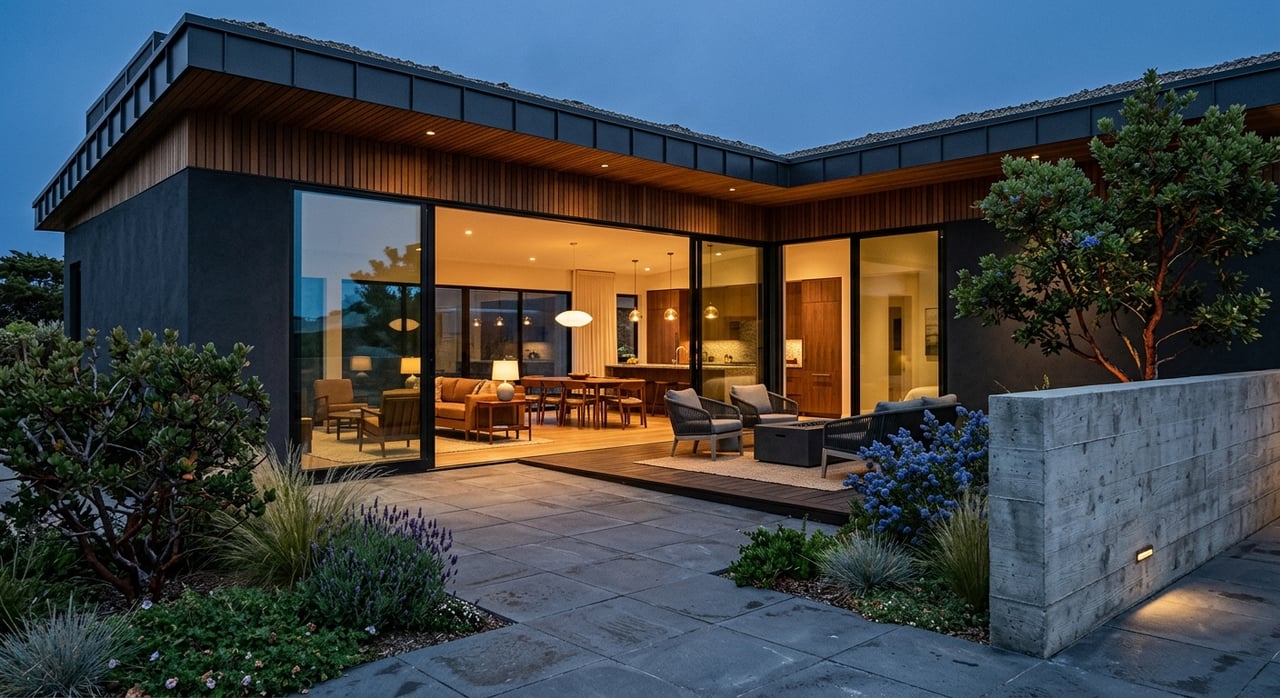
International and out-of-area buyers often rely on digital media before visiting. Commission high-resolution photography, including twilight shots, plus floor plans, a short lifestyle video, and a 3D tour. For acreage, include drone photography to show lot lines, topography, and the relationship between structures and open space. Any commercial drone operator must follow FAA Part 107 rules, so ask for a certified pilot. Learn more about Part 107 requirements here: FAA Part 107 overview.
Many luxury sellers begin with controlled previews or a quiet period focused on vetted, pre-qualified buyers. Once you fine-tune pricing and presentation, roll out a full-market launch to capture broader exposure. A hybrid approach protects privacy while maximizing demand.
Because true comps are sparse, valuation should combine recent regional acreage sales, adjustments for privacy and buildable area, and the quality of the home’s systems and finishes. On unique estates, consider a pre-list appraisal or a broker price opinion from a luxury specialist. Some sellers use separate frameworks for land value and residence value to triangulate a range.
Luxury estates often take longer to sell than standard homes due to a smaller buyer pool. Focus on being fully prepped, documented, and marketed to the right segment. Spring remains a popular window on the Peninsula, but the best timing is when your property and package are truly ready.
Expect a mix of cash and jumbo financing. On distinctive estates, appraisal gaps can happen when comps are thin. Consider strategies like a pre-list appraisal, appraisal gap language, or selecting buyers with strong cash positions.
Inclusions, exclusions, and timing often matter as much as price. Useful levers include flexible closings, seller rent-backs, wildfire mitigation credits, and inclusion lists for specialized equipment like tractors or arena implements. Put all expectations in writing to reduce post-acceptance friction.
Preparing your Portola Valley estate is about more than fresh paint. When you pair complete documentation with wildfire readiness, curated staging, and targeted marketing, you give qualified buyers every reason to say yes. If you want a confidential, step-by-step plan tailored to your acreage, connect with Matt Aragoni to get started.
Stay up to date on the latest real estate trends.

I am your San Mateo County Real Estate Expert, growing up San Mateo County has given me a highly specialized insight into the local markets here. I provide my clients/network with the most up-to-date market info, local expertise, and 5 Star Quality Client Service.