Leave a Message

Thank you for your message. We will be in touch with you shortly.

ADU Basics for San Carlos Homeowners

November 27, 2025

Thinking about adding an accessory dwelling unit to your San Carlos property? Whether you want rental income, room for family, or a smarter way to use your lot, an ADU can be a flexible path. You want clarity on rules, costs, and timelines before you commit. This guide breaks down the essentials so you can plan with confidence and avoid surprises. Let’s dive in.

What an ADU is

An accessory dwelling unit is a secondary housing unit on a lot with a main home. You can create one in different ways depending on your property and goals.

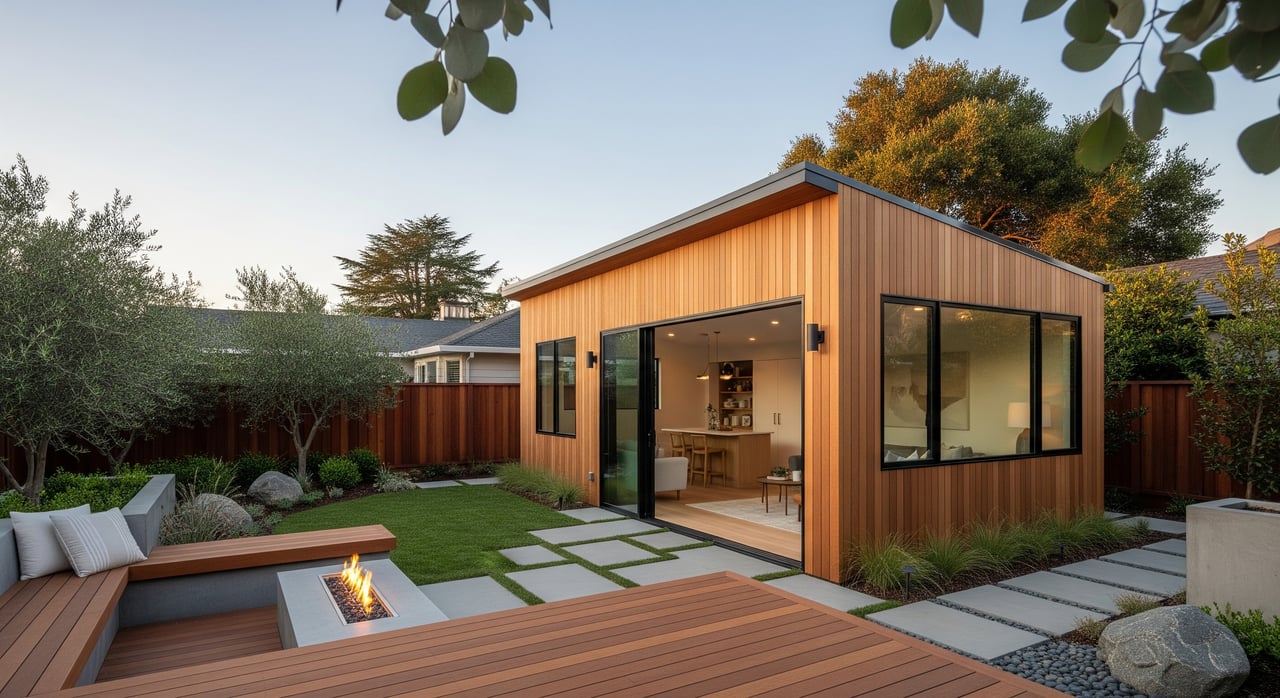
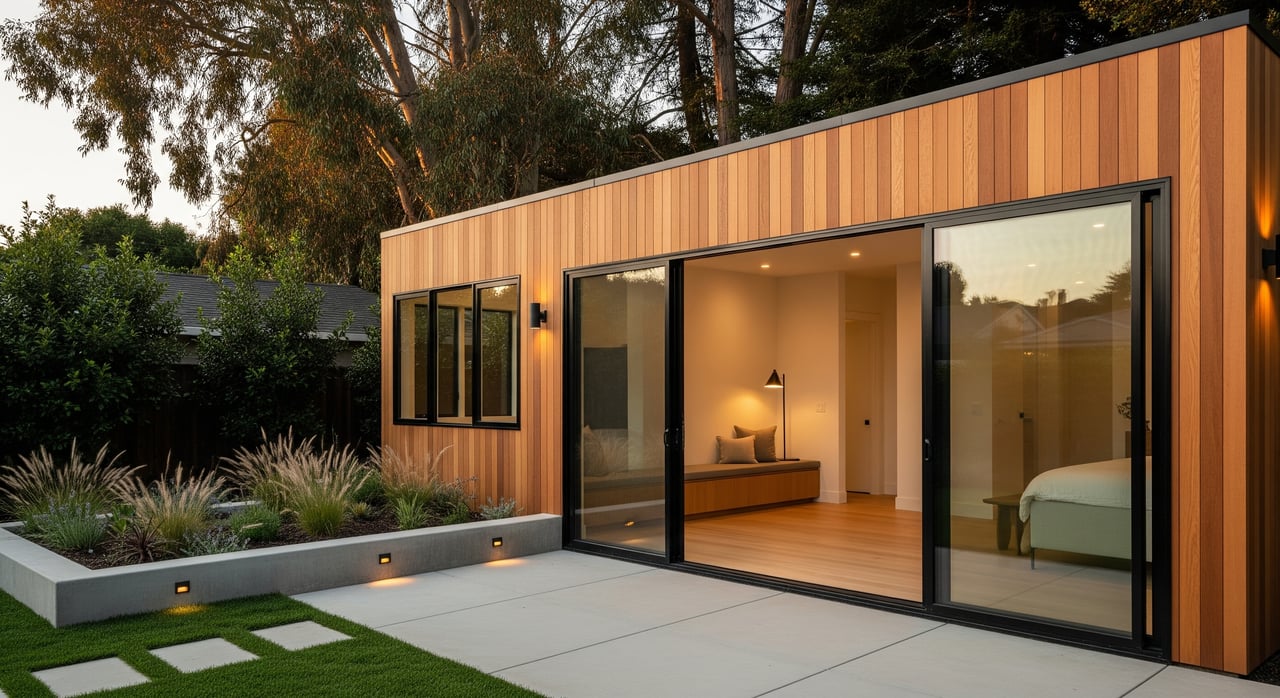
  • Detached ADU: A separate small home in the yard.
  • Attached ADU: An addition connected to the main house or a conversion of existing space.
  • Garage conversion: A fast path to an ADU using your existing garage footprint.
  • Junior ADU (JADU): A small unit, often within the house, generally 500 sq ft or less.

Why San Carlos homeowners add ADUs

  • Rental income to help offset your mortgage or improve cash flow.
  • Space for multigenerational living, such as aging parents or adult children.
  • Long-term wealth building through added utility and potential buyer appeal.
  • A smaller footprint way to add housing in a high-demand market.

Rules and permitting in San Carlos

California has made it easier to build ADUs by limiting certain local barriers. Cities still apply objective standards for safety, placement, and design. In San Carlos, local rules control the details, so verify current requirements with the City’s Planning and Building Divisions before you start.

What to confirm with the City

  • Zoning and allowed locations for the ADU type you want.
  • Lot coverage, floor area ratio, and open space impacts.
  • Setbacks and height limits for detached and attached ADUs.
  • Minimum lot size, if any, and how many ADUs are allowed on your lot.
  • Parking rules and possible exceptions, including near transit.
  • Utility connections for electric, gas, water, and sewer, including meter options.
  • Fees, including permits, impact fees, and connection charges.
  • Design review and historic district requirements, if any.
  • Fire and life-safety standards, including access and potential sprinklers.
  • Owner-occupancy and rental rules, plus any HOA restrictions.

Typical permit pathway

  • Pre-application conversation with Planning for basic feasibility.
  • Site plan, floor plans, elevations, and any required civil plans.
  • Structural and energy (Title 24) plans for Building review.
  • Separate permits if required for utilities, demolition, tree work, or right-of-way.
  • Ministerial approval if you meet objective standards, with inspections during construction and a final certificate of occupancy.

Common documents you may need

  • Current plot map and a site survey.
  • Floor plans and elevations that show the relationship to the main home.
  • Structural plans by a licensed engineer for new builds or major work.
  • Title 24 energy documentation for insulation, HVAC, and lighting.
  • Soils, grading, drainage, or flood studies if the site requires them.
  • Utility capacity confirmations if needed.

Design and site decisions on typical San Carlos lots

Choose the right ADU type

  • Detached ADU: Offers privacy and strong rental appeal but tends to cost more and has specific height and setback rules.
  • Attached ADU: Often simpler for utilities and may be more budget friendly than new detached construction.
  • Garage conversion: Usually the quickest and least expensive way to get an ADU, but you should plan for the impact on parking.
  • JADU: A compact, lower-cost option made from existing space with different rules that can be more flexible.

Fit, privacy, and neighborhood scale

  • Right-size the design so the ADU fits the lot and respects light and views.
  • Use window placement, fencing, and landscaping to improve privacy.
  • Check for protected trees and plan for drainage early since they can affect layout and foundation choices.
  • Plan a clear entrance path, trash storage, and address signage.

Utilities and systems

  • Electrical: You may need a subpanel, a service upgrade, or a separate meter.
  • Water and sewer: Confirm capacity and lateral requirements with providers.
  • Heating and cooling: Efficient, compact systems like electric heat pumps work well in small spaces.
  • Broadband: Pre-wire for reliable internet to boost rental appeal.

Accessibility and energy

  • Your ADU must meet California building, electrical, plumbing, energy, and ventilation codes.
  • Universal design features, such as zero-step entries and wider doors, can improve livability and future-proof the space.
  • Follow local fire guidance for access, clearance, and any sprinkler requirements.

Budget, financing, and timing

Cost ranges in the Bay Area

  • Garage or modest conversions often start in the low tens of thousands to low six figures.
  • New detached ADUs commonly fall in the mid six figures and up, depending on size, finishes, utility work, and site complexity.
  • Per-square-foot costs are often several hundred dollars due to regional labor and permit costs.
  • Soft costs like design, engineering, permits, impact fees, and landscaping add up.
  • Include a 10 to 20 percent contingency, especially for conversions and older homes.

Financing options to explore

  • Cash or liquid investments.
  • Home equity via a HELOC or a home equity loan.
  • Construction or renovation loans if the project is large.
  • Cash-out refinance of your first mortgage.
  • Private lenders or contractor financing when appropriate.
  • Grants or local programs if available in San Mateo County or at the state level.

Typical timeline from idea to keys

  • Pre-design and feasibility: about 2 to 6 weeks.
  • Design and permit-ready plans: about 4 to 12 weeks or more.
  • Permit review: a few weeks to several months depending on completeness and workload.
  • Construction: a few weeks to a few months for simple conversions, about 4 to 9 months or more for detached new-builds.
  • Overall: many projects run 6 to 18 months from first idea to move-in, depending on site conditions and scope.

Taxes, insurance, resale, and rental

  • Property taxes: New construction usually increases your assessed value based on the improvement. Check with the County Assessor for details.
  • Homeowner insurance: Let your insurer know about the ADU. You may need a landlord endorsement or policy changes.
  • Resale value: A well-designed, code-compliant ADU can boost buyer appeal and value in markets with rental demand and multigenerational needs.
  • Rental income: Peninsula rents are high compared to many regions. Plan for management, maintenance, and potential vacancies. Short-term rentals may be restricted or prohibited, so verify local rules.

A simple action plan for San Carlos homeowners

  1. Talk with San Carlos Planning about feasibility, zoning, setbacks, and any design triggers.
  2. Order a site survey and review easements, tree rules, and drainage constraints.
  3. Hire an architect or designer with local ADU experience for concept plans and a budget range.
  4. Ask utility providers early about capacity and meter requirements.
  5. Get at least two contractor bids and verify ADU and permitting experience.
  6. Explore financing with your bank or mortgage broker, and check any local or state ADU programs.
  7. Call your insurance agent and a tax advisor to confirm coverage and assessment implications.
  8. Brief your neighbors. A heads-up can ease concerns and help your timeline.

Ready to map out your ADU strategy or discuss how an ADU could impact your property value and resale plan? Reach out to Matt Aragoni for local, data-informed guidance tailored to San Carlos and the Peninsula.

FAQs

What is an ADU and how is it different from a JADU?

  • An ADU is a secondary home on your lot, while a JADU is a smaller unit created within the existing house that often has different size, kitchen, and fee rules.

What San Carlos zoning rules affect ADU placement?

  • You should confirm your parcel’s zoning, any overlay districts, and objective standards for setbacks, height, and lot coverage with the City’s Planning Division.

Do I need to provide new parking for my ADU in San Carlos?

  • Parking may be waived or reduced in many cases under state law, but local standards and HOA rules still matter, so verify what applies to your property.

Will I need separate utility meters for an ADU?

  • Some ADUs share services while others use separate meters, so check meter and capacity requirements with the City and your utility providers early.

How long does it take to build a detached ADU?

  • Construction for a new detached ADU often takes about 4 to 9 months once permits are approved, with a total project timeline commonly 6 to 18 months.

Can I convert my garage to an ADU and what happens to parking?

  • Garage conversions are common and can be cost effective, though you may lose covered parking and should confirm local parking and any HOA requirements.

Can I rent my ADU short-term in San Carlos?

  • Long-term rentals are generally allowed, while short-term rentals may be restricted or prohibited, so review current local ordinances before you list.

Do I have to live in the main house if I build an ADU?

  • State law has limited owner-occupancy rules for many ADUs, but local policies, financing conditions, and HOA covenants can affect what is allowed.

Will my property taxes go up if I add an ADU?

  • Yes, new construction typically adds to your assessed value based on the improvement, so contact the County Assessor to understand how it is calculated.

Are fire sprinklers required for new ADUs in San Carlos?

  • Fire and life-safety standards vary by project, and sprinklers or access requirements may apply, so check with the local fire authority during planning.

Work With Matt

I am your San Mateo County Real Estate Expert, growing up San Mateo County has given me a highly specialized insight into the local markets here. I provide my clients/network with the most up-to-date market info, local expertise, and 5 Star Quality Client Service.