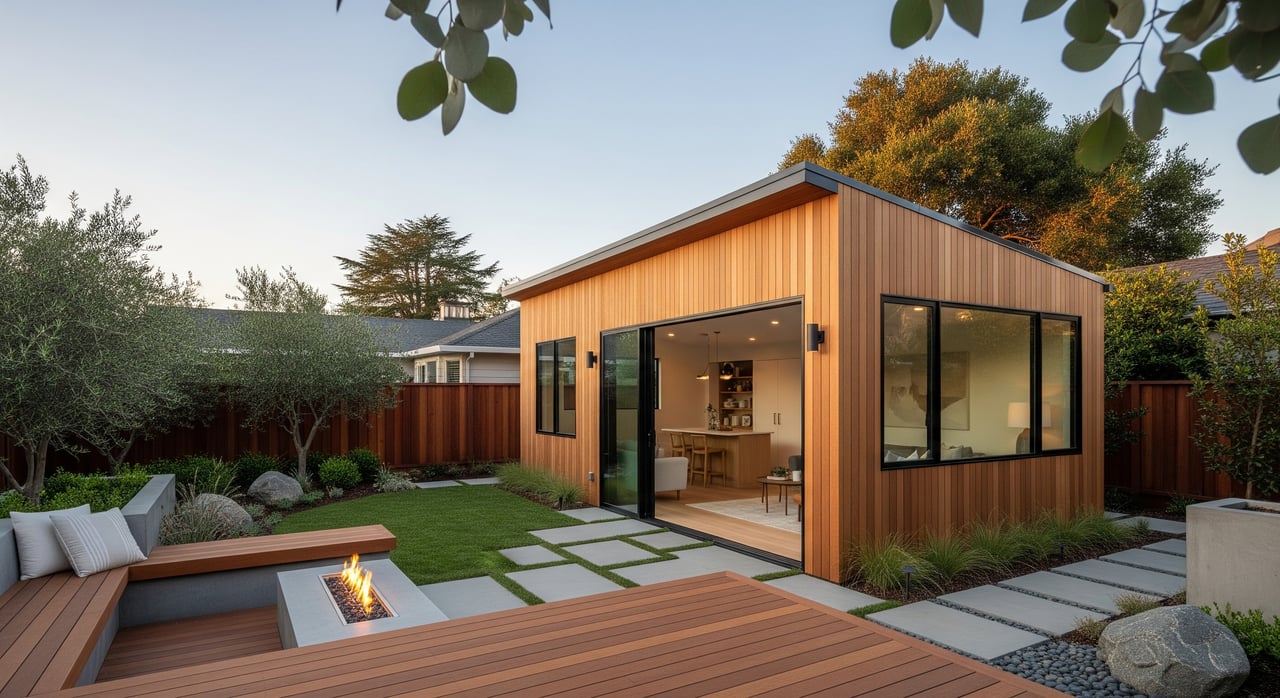
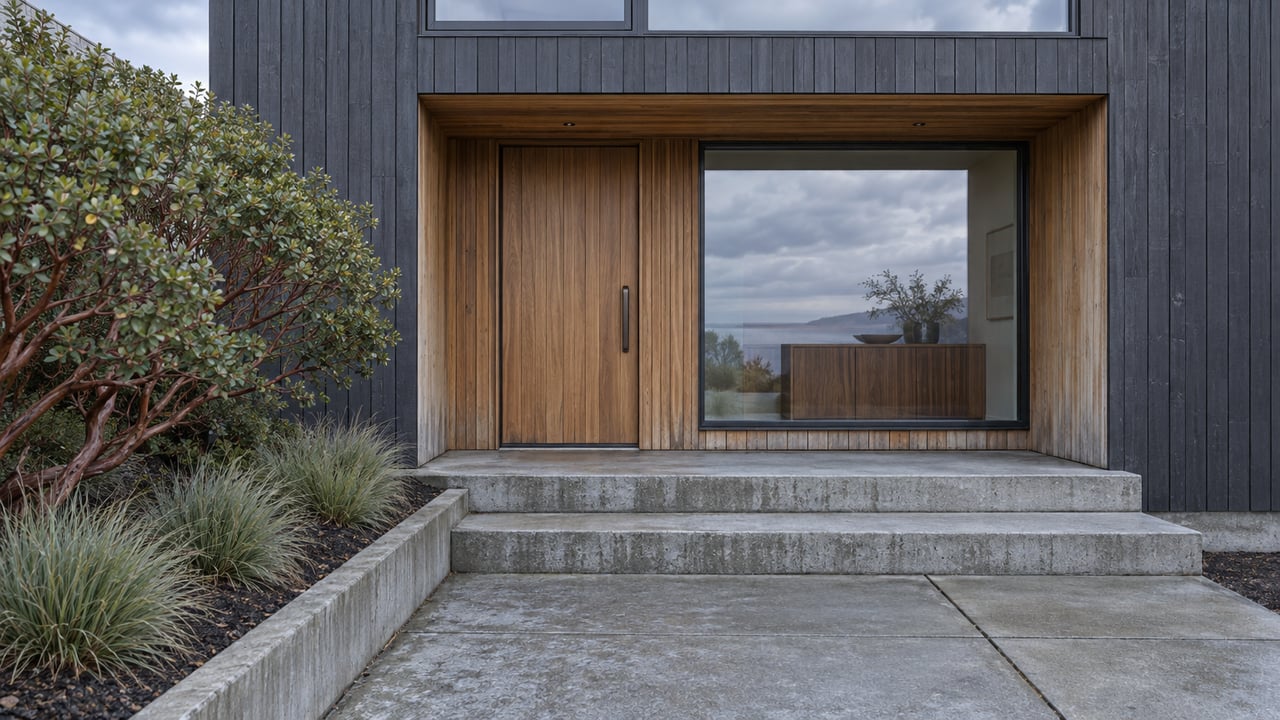
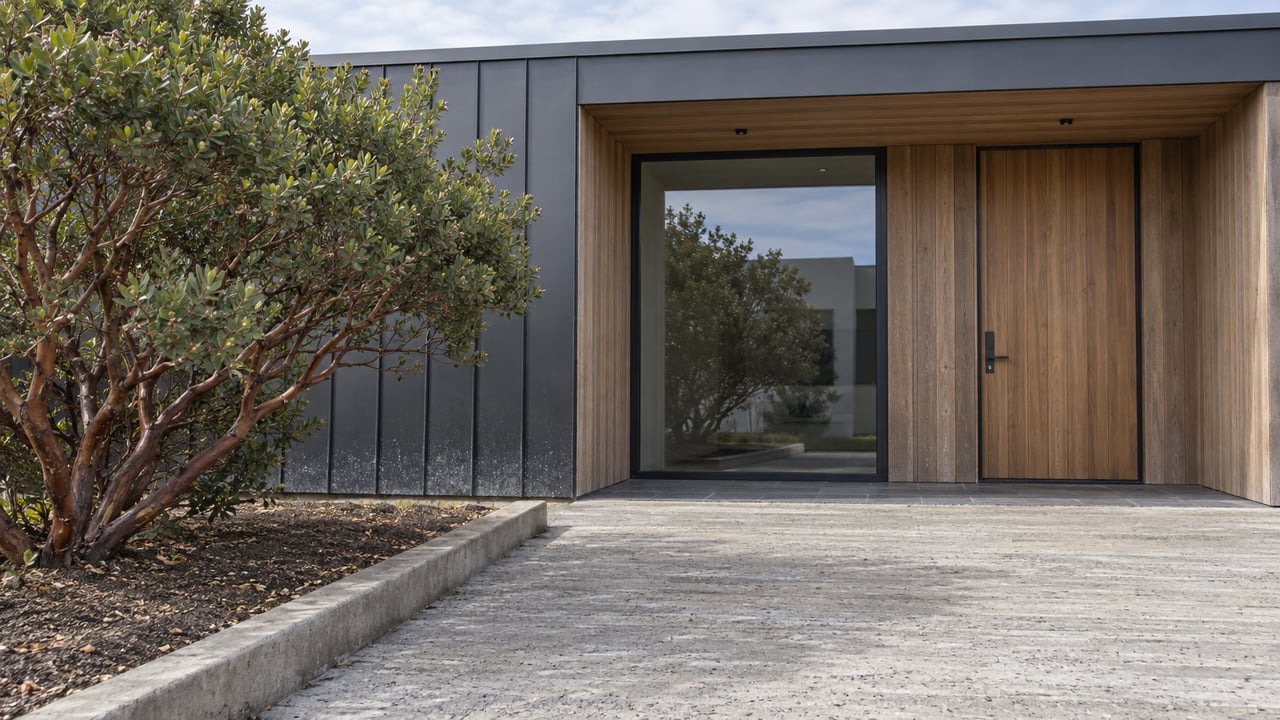
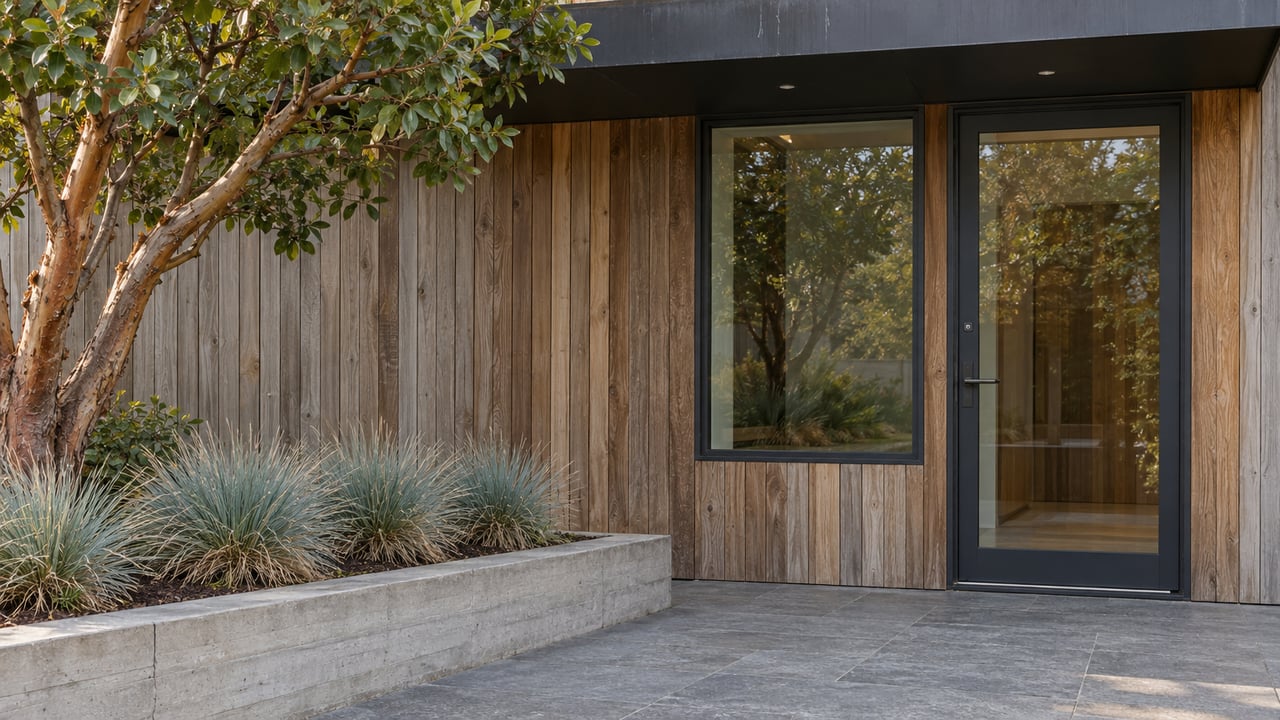
Need more space but not sure whether to build an ADU or move to a larger home in San Mateo? You are not alone. With tight inventory and high prices on the Peninsula, many homeowners weigh staying put and adding an accessory dwelling unit against selling and upsizing. In this guide, you will compare rules, costs, timelines, and lifestyle tradeoffs so you can decide with confidence. Let’s dive in.
ADU basics in San Mateo
Building an accessory dwelling unit can add living space, generate rental income, or support multigenerational living while you stay in your current neighborhood. California has expanded ADU rights statewide, and many ADUs are allowed by ministerial review. Local rules still apply in San Mateo, so you should verify specific standards with the City of San Mateo Planning and Building Division before you start.
Key items to confirm with the city:
- Zoning and size limits for detached, attached, conversion ADUs, and junior ADUs.
- Setbacks, height, lot coverage, and floor area ratio requirements.
- Parking requirements. Some rules are reduced or waived depending on proximity to transit.
- Utility capacity and connection obligations for water, sewer, and electrical.
- Owner-occupancy or rental rules for different ADU types and rental durations.
- Permit path. Many projects are ministerial. Others may require additional review.
- Fire and life safety requirements.
- Assessment impact. New construction can affect your assessed value. Consult the San Mateo County Assessor for guidance.
ADU types and site fit
- Detached ADU. A new stand-alone structure that usually offers the most flexibility but can be the most complex and time-consuming.
- Attached ADU. Added to the existing home with shared or separate walls.
- Conversion ADU. Converts existing space like a garage or basement into a unit. Often the most feasible on smaller lots.
- Junior ADU (JADU). A small interior unit carved from the main home with size and kitchen limits.
In San Mateo neighborhoods with smaller lots or historic character, conversions or interior remodels are often more practical than large detached builds.
What an ADU costs and how to finance it
ADU budgets vary widely on the Peninsula. Costs depend on the type of unit, finishes, and site complexity. Major cost drivers include foundation work, utility upgrades, sewer lateral replacement, grading or retaining walls, and fire or accessibility requirements. Labor and permitting in coastal and Peninsula markets often trend higher than statewide averages.
Common financing options:
- Cash
- Home equity loan or HELOC
- Cash-out refinance
- Construction-to-permanent loan or specialized ADU financing
- Personal loans or combinations
- Potential local incentives or pilot programs. Check the City of San Mateo or San Mateo County for any active offerings.
Property taxes typically increase by the value added through new construction. The county assessor can outline how the added value of an ADU is treated.
Timeline reality
Plan check and permits can take weeks to months depending on the completeness of your plans and whether the review is ministerial. Construction adds several more months. Detached ADUs usually take longer than interior conversions.
Operating numbers and ROI
Rental income depends on unit size, layout, and condition. Expenses include financing, insurance, maintenance, utilities, property taxes, and management. Many owners evaluate payback over several years. Conservative assumptions for rent and vacancy help you test cash flow. Short-term rental rules vary by city and may require separate permits or be restricted. Verify before you build.
Buying bigger in San Mateo
Buying a larger home provides immediate space and can deliver a better layout, different lot, or new location. In San Mateo and nearby Peninsula communities, median prices are high and inventory is typically tight, so move-up purchases can be competitive.
Costs to plan for:
- Down payment and higher monthly mortgage payment
- Increased property taxes
- Seller transaction costs when you sell your current home
- Buyer closing costs and moving expenses
- Possible transfer taxes and HOA fees
- Renovations or updates in the new home
Disruption and timing
Moving involves packing, logistics, and potential interim housing. Finding the right larger home may take time and can involve tradeoffs on neighborhood, commute, and other lifestyle preferences. If you need space immediately and a suitable property is available, buying bigger can meet that need faster than building.
Compare: which path fits you?
Consider these common scenarios:
- Need one or two extra bedrooms for a period and want to avoid moving. An ADU or interior conversion can fit.
- Need substantially more space or a different lot or location. Buying bigger is the likely fit.
- Want rental income and to stay in place. An ADU is often attractive if your lot and budget support it.
- Need space now. Buying bigger is immediate. An ADU requires design, permits, and construction time.
- Aging in place or multigenerational living. An ADU can give privacy and proximity on the same lot.
- Investment-first goals. The better choice depends on construction cost, expected rent or value uplift, and how local buyers value ADUs. Use local comps and lender quotes to decide.
Financial and lifestyle checklist
Use this checklist to compare options with local facts and quotes.
Site and zoning
- Confirm ADU standards for your parcel with the City of San Mateo Planning and Building Division.
- Get a property survey. Check setbacks, easements, and any overlay zones.
- Verify utility capacity and likely connection upgrades.
Feasibility and cost
- Collect at least three ADU estimates. Include a conversion and a detached scenario.
- Ask for line-item site work estimates. Foundation, grading, retaining walls, and sewer laterals can be significant.
- Request an assessment preview from the county assessor on new construction impacts.
- Pull local rental comps for similar unit sizes to estimate rent.
Financing and cash flow
- Compare HELOC, cash-out refinance, and construction loans. Model monthly payments.
- Build a pro forma with rent, vacancy, insurance, taxes, maintenance, and utilities.
Selling and buying bigger
- Estimate net proceeds from a sale after commissions, closing costs, and mortgage payoff.
- Review current listings and recent sales for larger homes in your target areas. Note price ranges and time on market.
- Include moving costs, possible renovations, and changes to ongoing ownership costs.
Timeline and risk
- Ask the city about expected ministerial timelines and inspections.
- Plan for revisions, utility coordination, and contractor scheduling.
Value and resale considerations
ADUs can make a property more attractive to buyers who want rental income or flexible living options. Appraisers may consider rental income, added square footage, and local demand for ADUs. Value lift is not guaranteed. The best guide is local comparable sales of homes with ADUs. If you sell an ADU-equipped property, you generally sell the lot and structures together. Separate sales typically require a lot split and depend on local subdivision rules.
Common pitfalls to avoid
- Skipping local code checks and relying only on statewide summaries
- Underestimating utility or site-prep costs
- Overlooking permit fees and inspection timelines
- Hiring contractors without Peninsula ADU experience
- Assuming rent covers all costs from day one without vacancy or maintenance reserves
- Missing HOA or deed restriction limits on ADUs or rentals
Your next steps
- Contact the City of San Mateo Planning and Building Division to confirm ADU standards for your parcel.
- Order a property survey and request informal utility capacity checks.
- Get two to three preliminary design and cost proposals. Include at least one conversion and one detached plan if feasible.
- Speak with lenders about HELOC, cash-out refinance, or construction-to-permanent loan options. Run sample payment scenarios.
- Ask a local agent or appraiser for comps on homes with ADUs and larger homes in your desired neighborhoods.
- Compare net outcomes side by side. Include total costs, likely rent or value uplift, and your tolerance for disruption and timing.
When you are ready to pressure-test the numbers and see your real options, let’s talk. With deep local knowledge across the Coastside and Peninsula, we can help you size the tradeoffs, line up quotes, and map a clear path forward. Connect with Matt Aragoni to get started.
FAQs
How long does an ADU take in San Mateo?
- Plan review, permits, and construction commonly span several months to over a year depending on project type, completeness of plans, and city workload.
Will an ADU raise my property taxes?
- Likely yes. The county assessor can add the value of new construction to your assessment. Contact the San Mateo County Assessor for parcel-specific guidance.
Can I rent an ADU short term in San Mateo?
- Rules vary by city and may require registration or restrict short-term stays. Verify local regulations and any HOA rules before planning a short-term rental strategy.
Do ADUs require the owner to live on-site?
- Recent state reforms removed many owner-occupancy rules, but nuances can apply by ADU type. Confirm current requirements with the City of San Mateo.
Will an ADU pay for itself at resale?
- Not guaranteed. Appraisal depends on rental income potential, added square footage, and how local buyers value ADUs. Use local comps and an appraisal to estimate impact.
What are the main costs to buy bigger in San Mateo?
- Expect a higher purchase price and monthly payment, increased property taxes, closing and moving costs, potential transfer taxes, and possible renovations or HOA fees.
Can I build an ADU and buy a bigger home at the same time?
- It is possible but complex. Lenders will evaluate debt-to-income and equity. Speak with multiple lenders to understand your financing capacity.