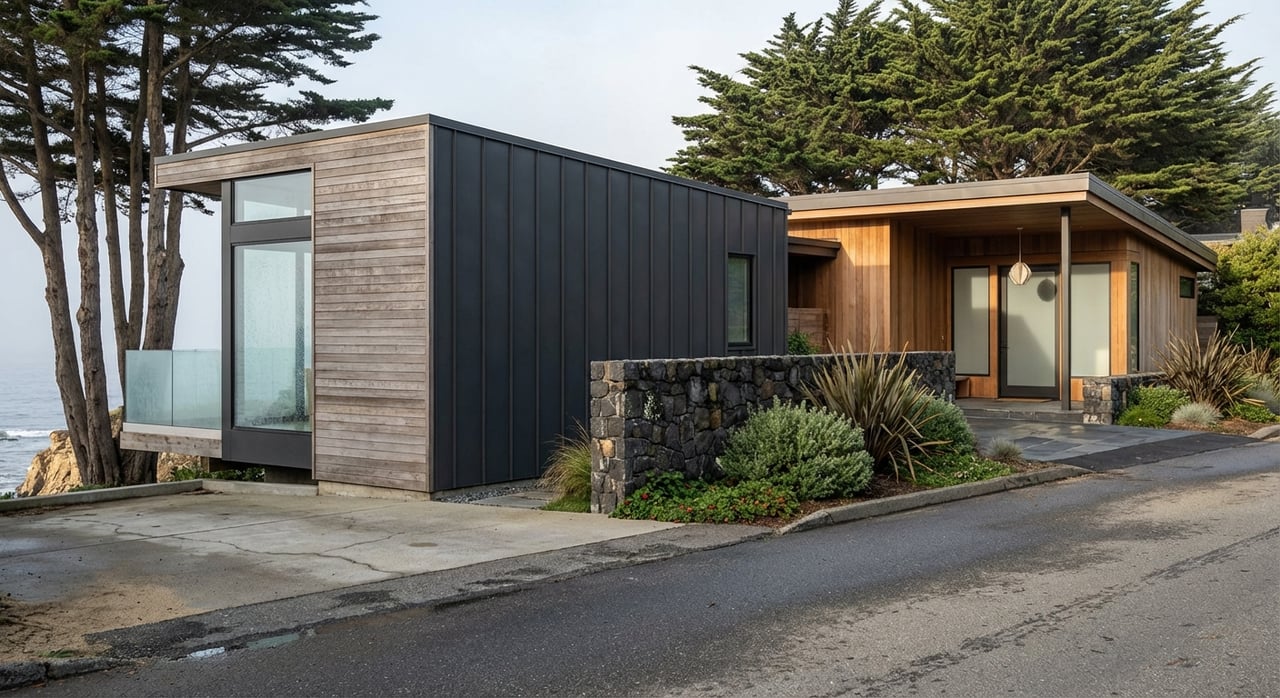
Oceanview vs Inland Living in Moss Beach
February 19, 2026
February 19, 2026
Is waking up to the sound of waves worth a little more fog and upkeep, or would you trade that view for sunnier afternoons and an easier maintenance routine? If you are weighing oceanview versus inland living in Moss Beach, you are not alone. Buyers here often love the same coastline for very different reasons. In this guide, you will see how microclimates, housing types, costs, and long‑term factors compare so you can choose with confidence. Let’s dive in.
Moss Beach is a small coastal community in San Mateo County along Highway 1, about 20 miles south of San Francisco. The population was roughly 3,200 in the 2020 census, which helps explain why monthly sales data can feel jumpy in a small sample market. You have quick access to standout public assets like the tidepools and trails at the Fitzgerald Marine Reserve, plus nearby Montara State Beach and McNee Ranch.
As of January 2026, major data providers reported typical home values in the low to mid $1 millions, with some snapshots showing a median sale price near $1.49 million and average values around $1.44 million. Price per square foot in recent aggregator snapshots hovered near the high $800s. Exact numbers shift with each month’s limited sales, so use these as ballpark context and verify with fresh local comps before you act.
Moss Beach sits in a classic Pacific marine layer zone. Shallow morning fog and low clouds are common in late spring and early summer, known as “May gray” and “June gloom.” Ocean‑facing bluff homes usually stay cooler, windier, and foggier, while sheltered inland pockets can clear earlier and warm faster when the marine layer is shallow. For a quick explainer on how the marine layer works, see this plain‑English guide.
On exposed bluffs you will feel stronger onshore winds and salt spray. That changes day‑to‑day comfort outside and can increase wear on paint, metal fittings, windows, and decks over time. Even a block or two inland, or behind a windbreak, conditions can feel noticeably calmer and warmer on sunny afternoons.
Small changes in orientation and shelter make a big difference here. Tree canopy, cypress windbreaks, and the lee side of a ridge can turn a chilly corner into a pleasant, sunny patio zone. Trails and bluffs near the Fitzgerald Reserve highlight how landforms create those protected pockets. Remember, “oceanview” and “inland” are not strict weather labels. They are shorthand for typical differences in fog frequency, wind exposure, and sun hours.
Along the bluffs and headlands, you will find single‑family homes oriented to capture views with large windows and decks. Parcels near the edge are often smaller or constrained. Here, the view and outdoor living spaces tend to be the value drivers. Inventory is limited by preserved coastline and public open space, which helps keep true oceanfront supply scarce.
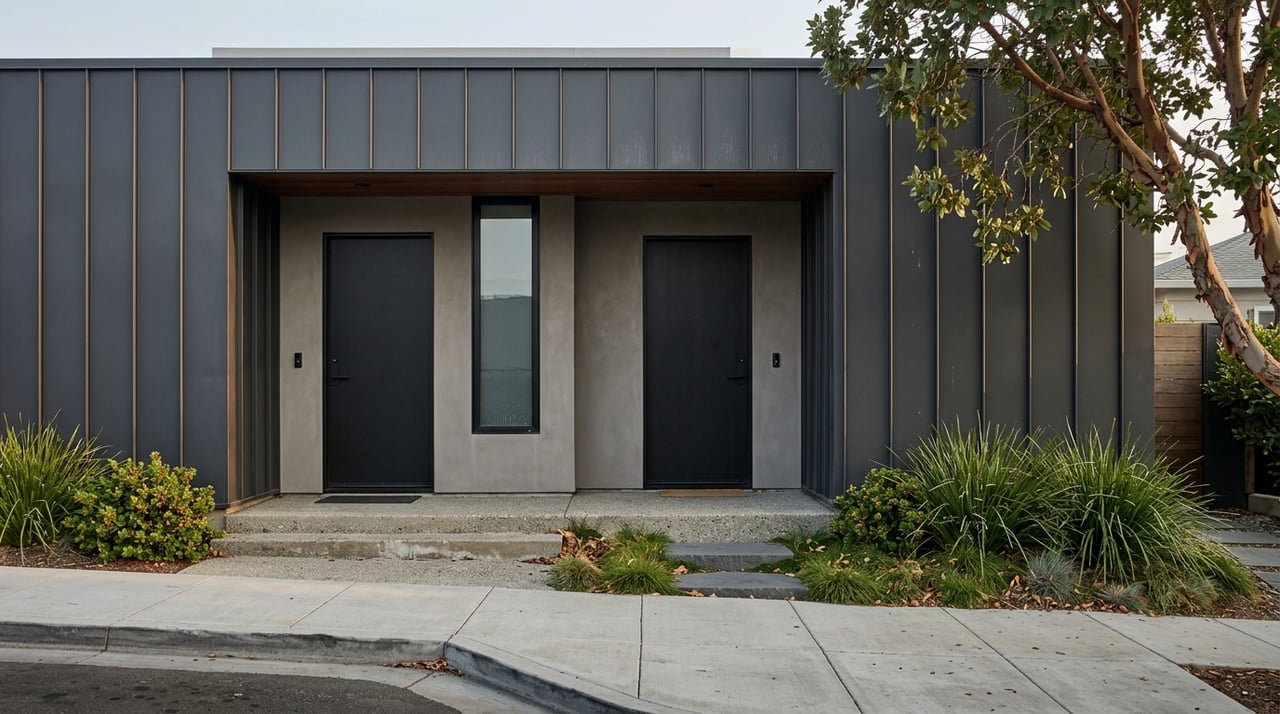
Inland you will see a wider mix, from older cottages and bungalows to updated ranch styles and some newer remodels. Manufactured home communities, such as Pillar Ridge on leased land, provide more affordable entry points relative to cliffside homes. These inland zones are often a bit sunnier and more sheltered, which can mean more predictable outdoor time and lower exterior maintenance.
Public lands and coastal conservation shape what gets built and where. The Fitzgerald Marine Reserve and other protected areas limit large‑scale infill and maintain ocean‑to‑hill transitions. That preservation benefits lifestyle and view corridors, and it also constrains the number of true ocean‑adjacent lots.
Marketplace snapshots show Moss Beach as a premium coastal submarket with high base values. Because monthly sales counts are small, median prices and days on market can swing more than you might expect in a larger city. Ocean‑adjacent and view‑oriented listings commonly show higher asking prices and dollars per square foot than nearby inland sales, but the exact premium depends on view quality, exposure, and timing in the cycle.
Academic research supports this variability. Hedonic studies over multiple markets have found that water views can add a wide range of premiums, from single‑digit percentages for partial views to multiple tens of percent for full, unobstructed views. Premiums tend to expand in hot markets and compress in softer cycles. For a deeper look at how view value shifts over time, see this summary of long‑term findings on water view valuation.
Bottom line: in Moss Beach, treat an oceanview premium as real but highly property‑specific. Use fresh, like‑kind comps and verify details on exposure, setbacks, and potential constraints.
Ocean‑exposed homes generally need more frequent exterior work. Salt‑laden air and wind can accelerate paint wear, corrode metal, and stress windows, doors, and decks. Federal coastal construction guidance recommends materials and detailing suited to harsh marine environments. If you are eyeing a bluff home, budget for higher ongoing maintenance. You can review coastal building science best practices here: FEMA coastal guidance.
If a property sits near the bluff or in a mapped coastal flood zone, insurance options and costs may differ from typical inland homes. Always pull the FEMA map for the address, ask for current insurance quotes early, and understand any lender requirements for flood policies. Start with FEMA’s Flood Map Service Center to see the current designation and request elevation details when appropriate.
Moss Beach and Montara receive water and sewer service through the Montara Water and Sanitary District, with regional wastewater treatment through the Sewer Authority Mid‑Coastside. Coastal infrastructure can be stressed by storms and flooding, so it is smart to ask about capacity, wet‑weather performance, and planned upgrades. You can review MWSD context through the County’s LAFCo overview.
Most of Moss Beach lies within the coastal zone. New work near the water may trigger special geotechnical studies, bluff setbacks, and limits on shoreline armoring. These rules can affect future renovations and long‑term risk management. For a helpful primer on coastal policies and Chapter 3 standards, see the California Coastal Commission recap.
San Mateo County’s Sea Level Rise Vulnerability Assessment identifies low‑lying areas and coastline assets at risk from flooding, wave run‑up, and bluff retreat over coming decades. If you are considering an ocean‑adjacent property, ask pointed questions about historical erosion, recorded setbacks, and potential adaptation needs across your ownership horizon. Learn more from the County’s vulnerability assessment overview.
Use this quick list as you compare addresses:
Choosing between oceanview and inland living is about matching your daily rhythm to the Coastside. If you want dramatic water views and instant access to tidepools and bluff trails, an ocean‑adjacent setting delivers. If you prefer calmer afternoons, easier upkeep, and potentially lower entry prices, a sheltered inland pocket may fit better. When you are ready to compare specific homes and micro‑neighborhoods, reach out to Matt Aragoni for local guidance, private showings, and data‑backed pricing support.
Stay up to date on the latest real estate trends.
I am your San Mateo County Real Estate Expert, growing up San Mateo County has given me a highly specialized insight into the local markets here. I provide my clients/network with the most up-to-date market info, local expertise, and 5 Star Quality Client Service.