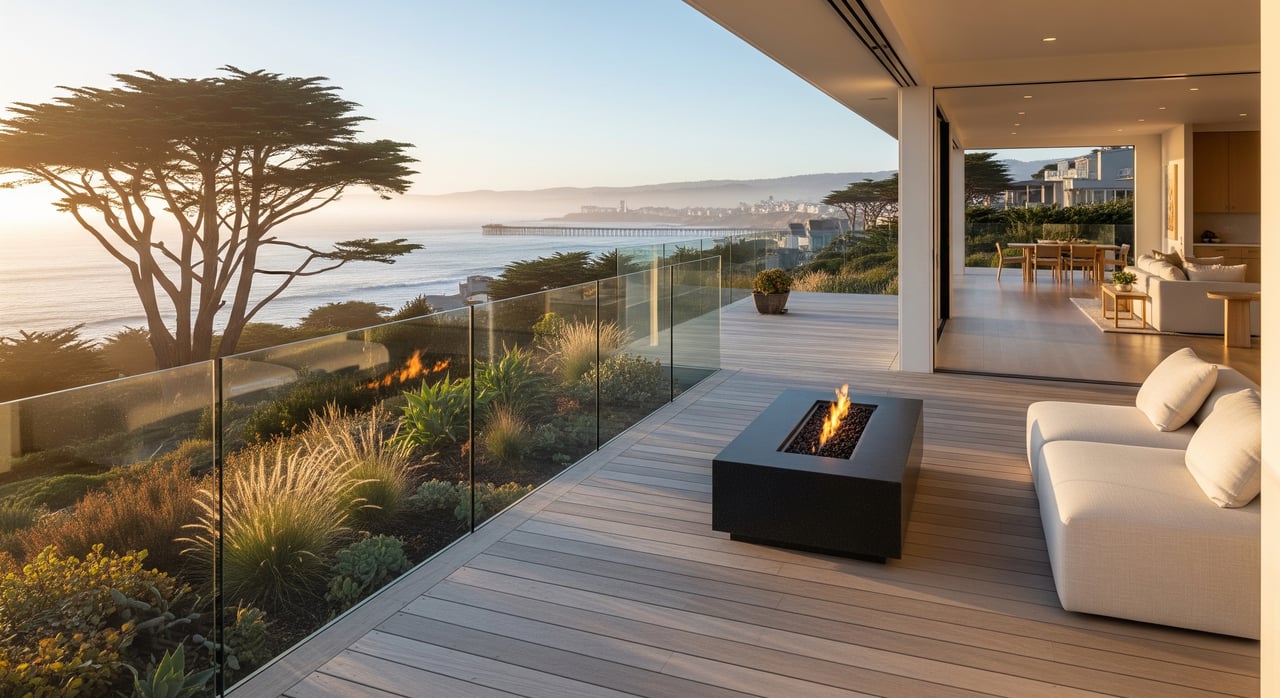
Living Near Downtown Half Moon Bay: A Lifestyle Guide
February 5, 2026
February 5, 2026
What if your morning started with a coffee on Main Street and ended with a sunset stroll on the Coastal Trail? If you are considering the Coastside, living near downtown Half Moon Bay offers a relaxed, walkable lifestyle with quick access to beaches, shops, and community events. At the same time, you will want to plan for commute routes, seasonal tourism, and coastal regulations. In this guide, you will learn how daily life works near downtown, what to expect from housing, and how to navigate practical trade-offs. Let’s dive in.
Downtown Half Moon Bay is compact and inviting, with historic storefronts, galleries, and locally owned restaurants. Many homes within a few blocks to about a half mile of Main Street enjoy easy walks for errands, coffee, and casual dining. On peak tourist weekends and during major events, parking can be tighter and foot traffic heavier, which also creates a lively street scene.
The city itself is small, with a population on the order of ten thousand people. According to the 2020 U.S. Census, the count was around 11,000, which reflects a small-town feel with strong community ties. For current demographics, you can review the U.S. Census Bureau’s QuickFacts for the latest updates.
U.S. Census QuickFacts | City of Half Moon Bay
You will find an everyday mix of cafes, bakeries, pubs, and independent restaurants near Main Street. Small galleries, fitness studios, salons, banks, and convenience markets serve daily needs. Larger supermarkets and specialty stores are a short drive away in nearby Peninsula communities.
Pharmacies and veterinarians are available in town. For weekly shopping and seasonal produce, local farmers’ markets are popular, and arts or pumpkin-season events add energy throughout the year. Expect business hours and parking to shift with weekend tourism and the fall festival season.
Your main driving routes are CA-1 along the coast and CA-92 over the hill to I-280 and US-101. Commute times to San Mateo, Redwood City, and the central Peninsula can vary with traffic and season, so plan buffer time for peak hours. Many residents find that living close to downtown reduces car trips for daily errands, even if they still commute inland for work.
Public transit is more limited than in urban cores. SamTrans connects the Coastside with BART and Caltrain hubs, and schedules change by season. If you rely on transit, review current routes and connection times before you commit.
Half Moon Bay State Beach and nearby beaches are a short walk or drive from downtown. You can enjoy blufftop viewpoints, beachcombing, and segments of the Coastal Trail for walking and biking. Pillar Point Harbor in nearby Princeton-by-the-Sea is a hub for fishing charters, boating, and seafood markets.
The marine layer and coastal breezes are part of daily life. Expect cooler temperatures than inland, foggy mornings in certain seasons, and bright, clear afternoons. If you garden, choose plants that handle salt air and cooler nights.
Public elementary and secondary schools serve local families in and around Half Moon Bay. School boundaries and performance metrics can change, so it is best to confirm current information directly through the California Department of Education. Childcare and preschool options exist locally, though capacity can be limited during peak demand.
Primary care and urgent care-style services are available on the Coastside. For full-service hospitals and specialty care, most residents drive to Peninsula facilities in neighboring cities. San Mateo County Health provides countywide health information and resources.
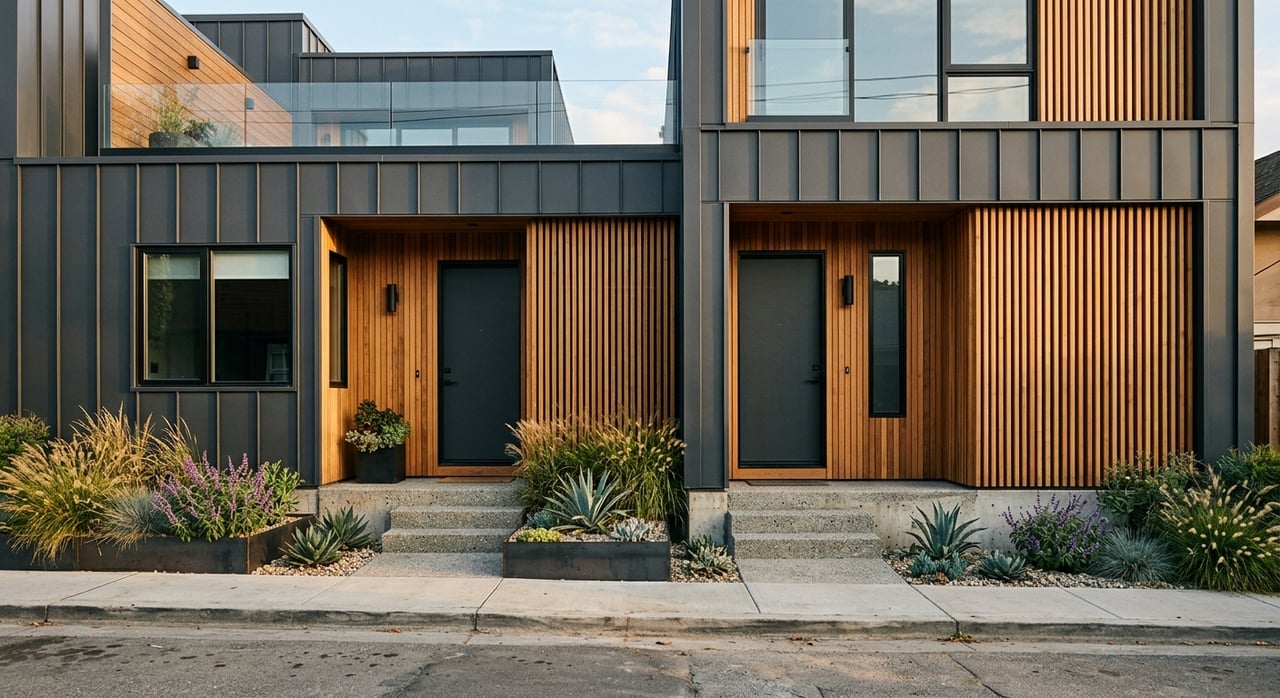
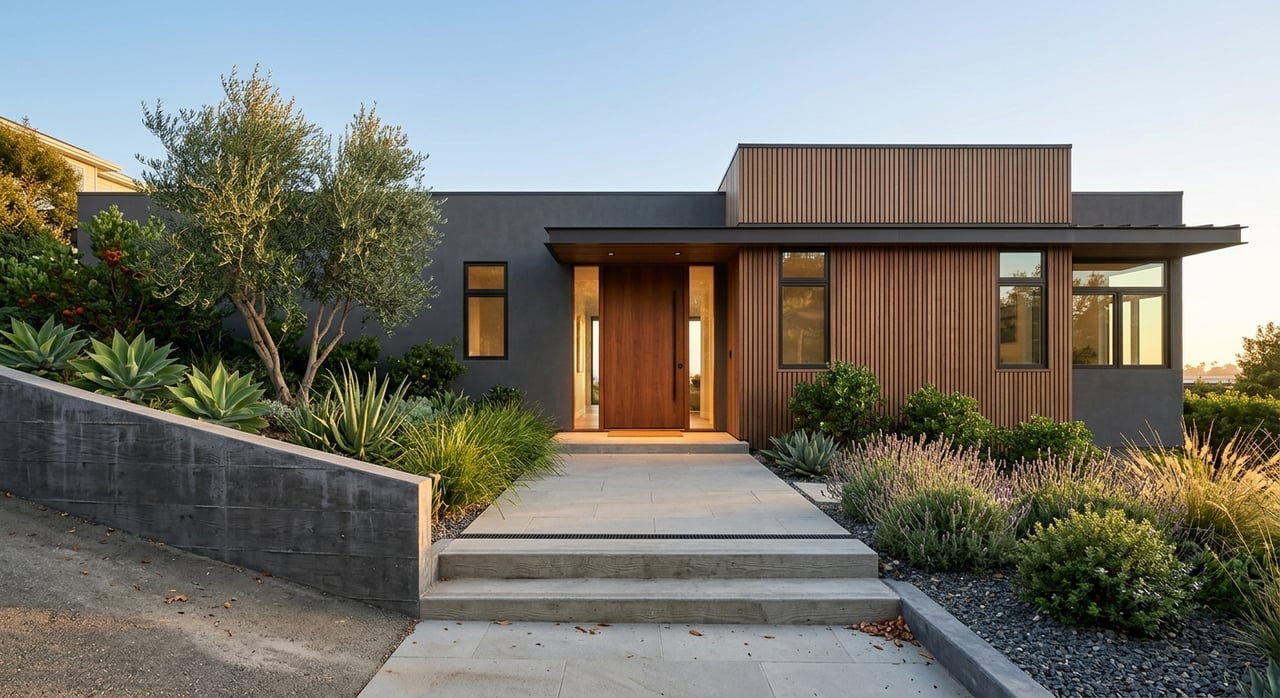
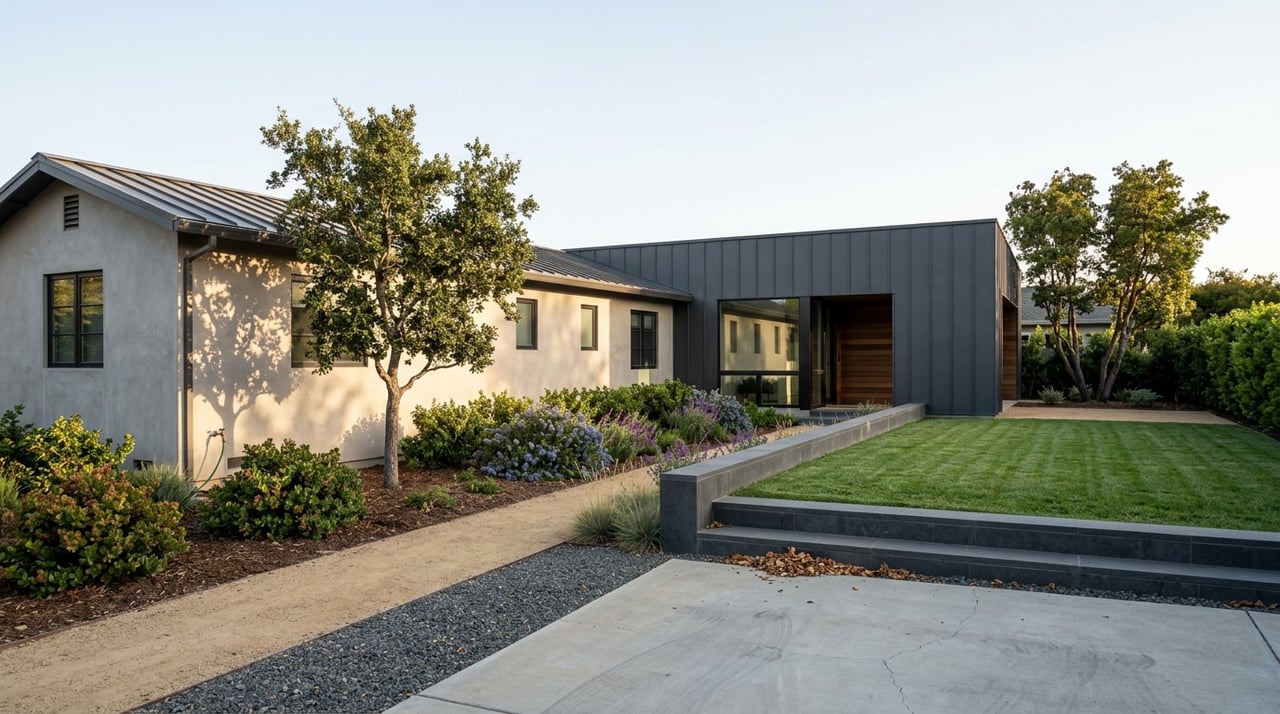
Near downtown, you will see historic cottages, bungalows, and mid-century homes mixed with some newer single-family houses, condos, and townhomes. Properties closer to Main Street and the beaches tend to be more walkable and can command stronger demand. Homes on hillsides or more rural parcels offer privacy and views, but often require a car for most errands.
Inventory on the Coastside is usually tight, and homes close to downtown or the water often attract competitive interest. If you are considering a purchase, be ready to move quickly with a pre-approval and a plan for inspections, permits, and any coastal review that may apply.
Coastal properties fall under a unique set of policies. The California Coastal Commission and the City’s Local Coastal Program guide development near the shoreline. If you plan a remodel, addition, or new construction, expect permitting to be more detailed than in inland cities.
Coastal hazards warrant careful review. Bluff erosion, storm surge, and potential flooding can affect certain parcels. Before you write an offer, check FEMA flood maps for flood zones and use NOAA sea-level rise tools for long-term planning. For unincorporated areas and broader Coastside rules, San Mateo County Planning is a key resource.
Short-term rental regulations vary by jurisdiction and can change. If you are evaluating a property for rental income, confirm current City of Half Moon Bay rules and any county requirements before proceeding.
If walkability and daily dining options are top priorities, being near downtown Half Moon Bay is a strong fit. If you want harbor access, quieter streets, or more privacy, one of the neighboring enclaves may suit you better.
You will likely thrive near downtown if you value short walks for coffee and errands, frequent beach time, and an active community calendar. If you commute inland daily during peak hours, be honest about drive-time trade-offs and transit options. If you enjoy quieter evenings and more space, explore hillside or neighboring neighborhoods that still keep downtown within a short drive.
Here is a quick self-check:
Ready to explore homes near downtown Half Moon Bay or compare nearby enclaves? Get a free Coastside home valuation or schedule a consultation with Matt Aragoni.
Stay up to date on the latest real estate trends.
I am your San Mateo County Real Estate Expert, growing up San Mateo County has given me a highly specialized insight into the local markets here. I provide my clients/network with the most up-to-date market info, local expertise, and 5 Star Quality Client Service.