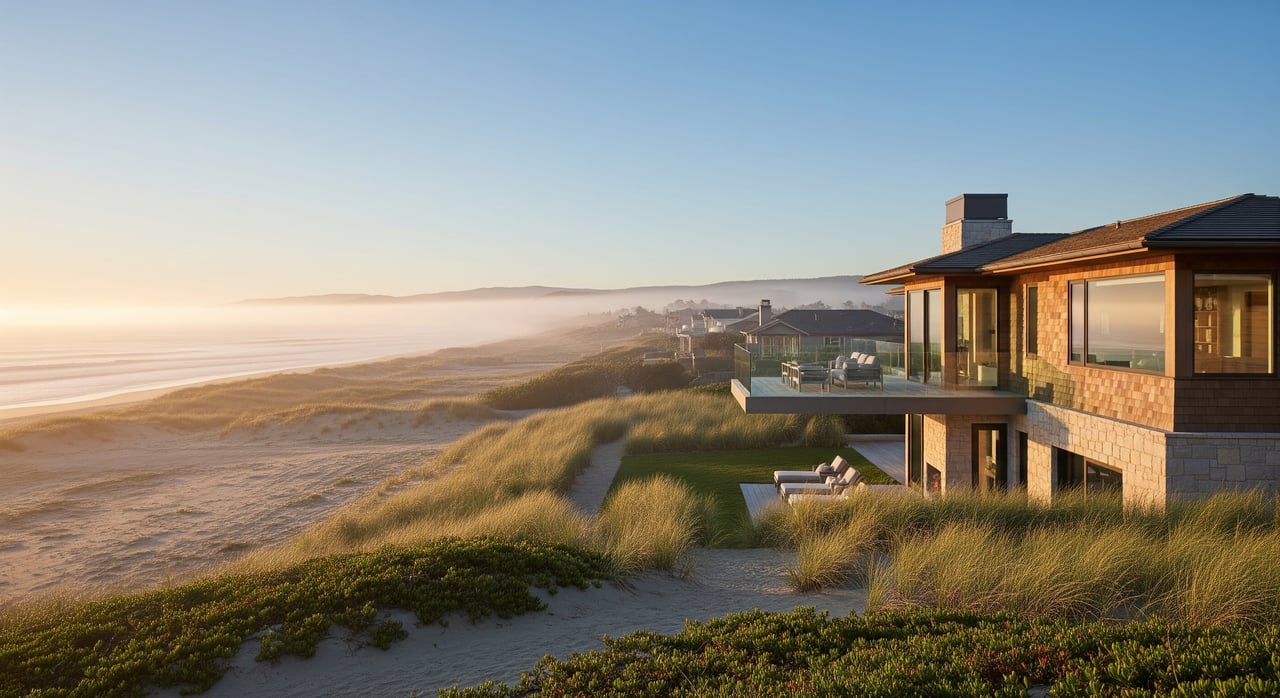
Buy Land or a Home in Moss Beach? How to Decide
December 25, 2025
December 25, 2025
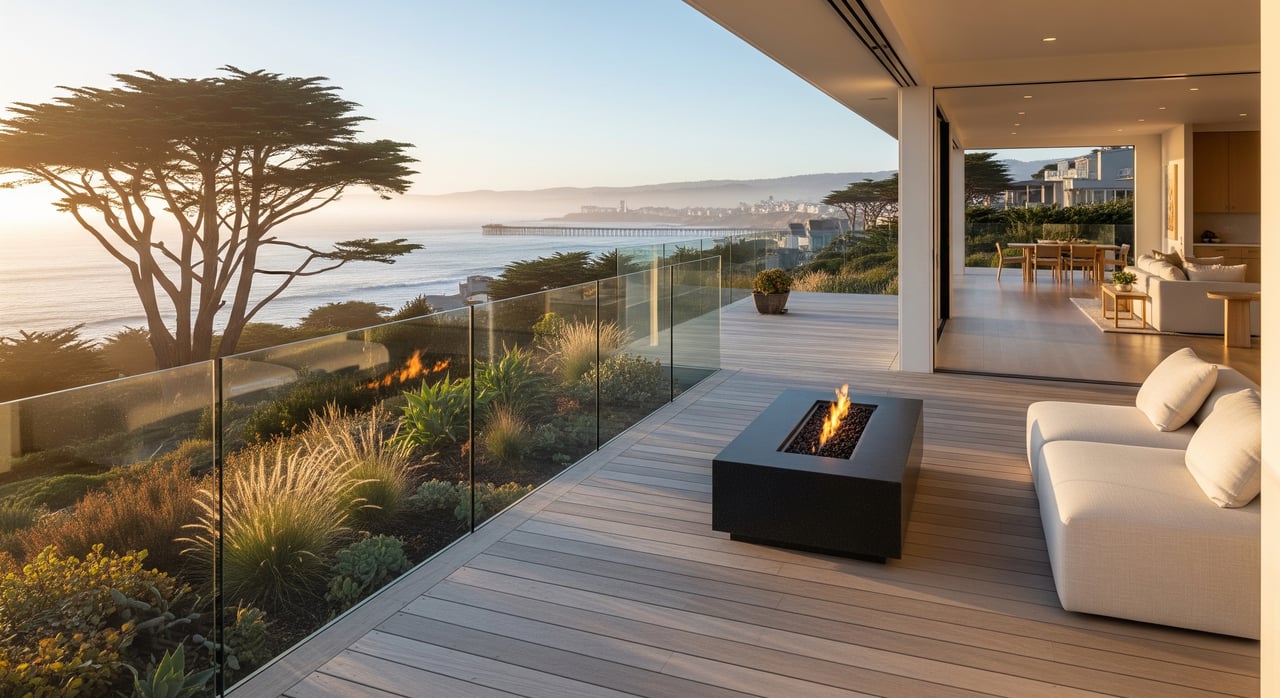
Thinking about building your coastal dream or moving into a turnkey home with ocean air on day one? In Moss Beach, both paths can work, but the right choice depends on your timeline, risk tolerance, and budget. You also have unique coastal rules to navigate that can shape costs and feasibility. This guide lays out the local factors, permits, financing, and a practical checklist so you can decide with confidence. Let’s dive in.
Moss Beach sits in unincorporated San Mateo County, where land is scarce and coastal homes with views often command a premium. Vacant lots are limited and highly site specific. Two neighboring parcels can vary widely in value and buildability based on bluff proximity, utilities, and recorded easements. Existing homes usually have deeper buyer demand and more predictable timelines than raw land.
Buying land
Buying an existing home
Moss Beach is governed by San Mateo County rather than a city. Zoning, building permits, and coastal approvals run through the county. Start with the county’s resources to confirm zoning, setbacks, height, and use limits via San Mateo County Planning and Building.
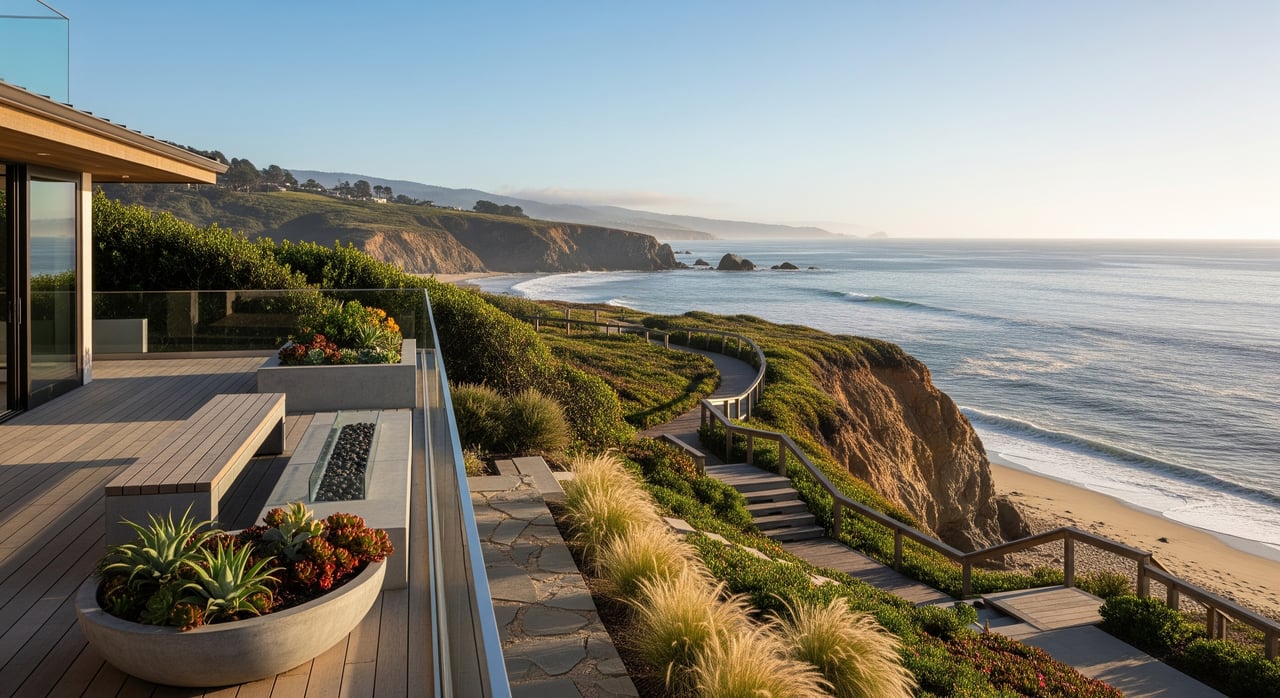
Many Moss Beach properties are in the Coastal Zone. New homes, substantial remodels, shoreline protection, and some utility changes often require a Coastal Development Permit reviewed under the county’s Coastal Program. Larger or appealed projects can reach the California Coastal Commission. Policies emphasize bluff stability, public access, and visual character, so site design and setbacks matter.
Bluff erosion and seismic risk are real considerations along this shoreline. Expect geotechnical studies and potential bluff setbacks to demonstrate stability. You can review regional context through the USGS Coastal Change Hazards program and the California Geological Survey hazard maps. These resources help you frame questions for your engineers and county reviewers.
If a parcel includes wetlands or a coastal stream, you may face federal and state permitting in addition to county review. Projects that fill or alter jurisdictional waters can trigger the U.S. Army Corps of Engineers regulatory program. These layers can add time and cost, so flag them early during due diligence.
Utilities are another make-or-break factor. Many parcels are served by the Montara Water and Sanitary District for water and sewer, while others may require septic, subject to county environmental health review and a percolation test. Always confirm service availability and capacity in writing.
Vacant land and construction financing works differently from a standard home loan. Land loans typically require larger down payments and higher interest than conventional mortgages. You can learn about general mortgage types and what lenders look for through the Consumer Financial Protection Bureau. Construction-to-permanent loans can fund the build and convert to a long-term mortgage, but they demand detailed plans, a budget, and inspections.
Insurance is another line item. If a home or site is in a FEMA flood zone, flood insurance may be required. Check the parcel’s designation at the FEMA Flood Map Service Center. Earthquake coverage is separate in California, and you can review options with the California Earthquake Authority. Coastal bluff conditions can also affect insurability and lender requirements.
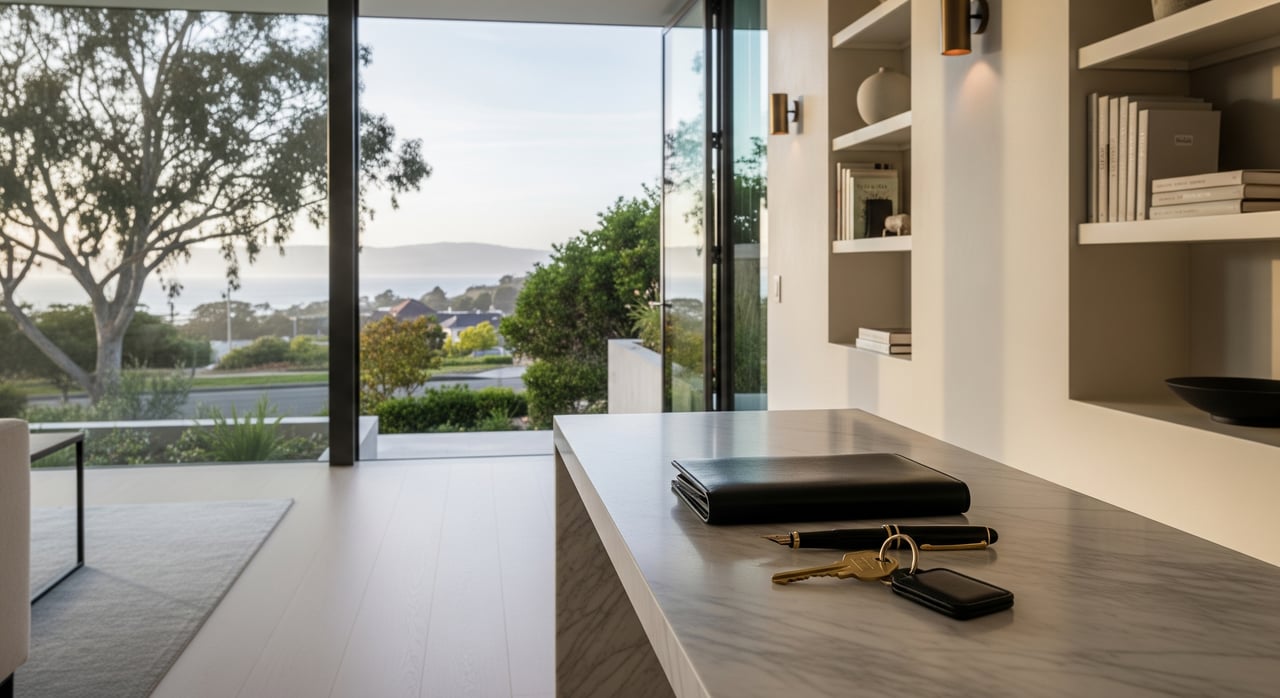
If you buy an existing home, you can usually close in about 30 to 60 days depending on financing and escrow. Inspections are straightforward, and you are often move-in ready shortly after closing.
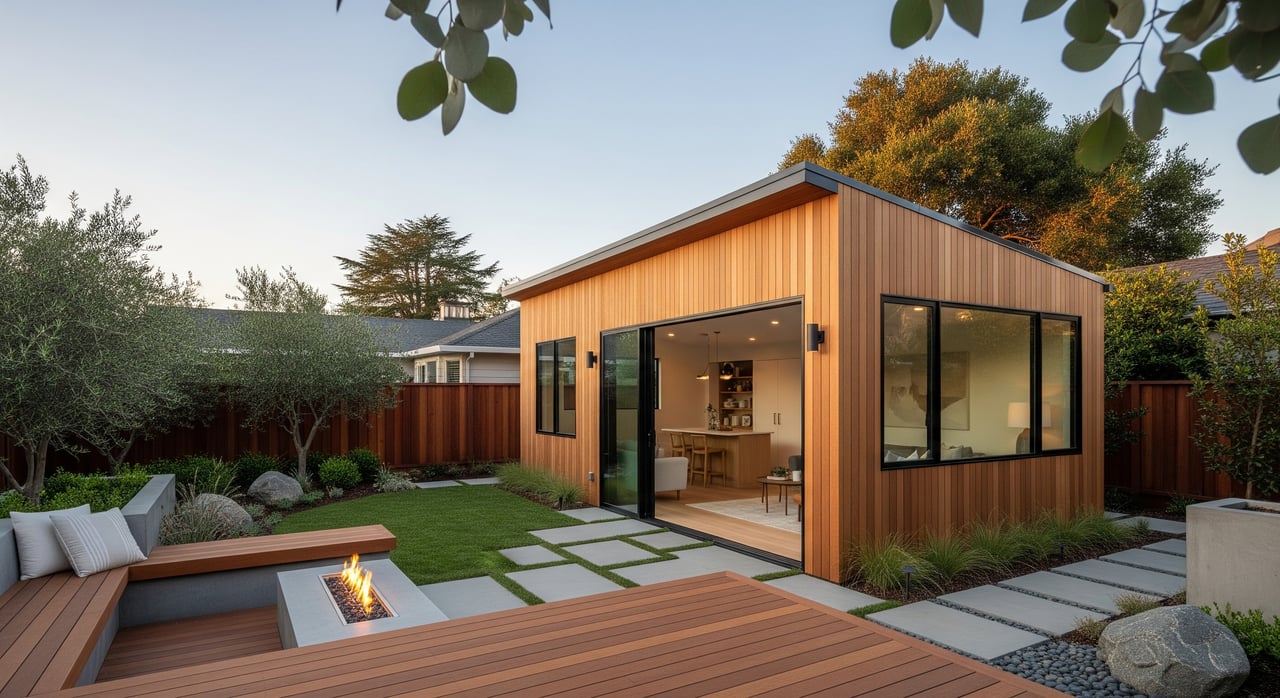
If you buy land, plan for a longer runway. Due diligence alone can take months as you line up surveys, geotechnical work, utility confirmations, and county pre-application meetings. Coastal permitting for a custom home often takes many months to over a year, and construction can run 9 to 18 months or more. All-in from land purchase to move-in, a realistic range is 18 to 36 months.
Use this checklist before you write an offer or remove contingencies:
Start with your time horizon. If you need housing in the next 3 to 6 months, a home purchase is often the better fit. If you can plan 18 to 36 months out, land plus a custom build can deliver the design and setting you want.
Then weigh risk and budget. Coastal parcels can involve bluff setbacks, biological surveys, and multiple permits. The surest way to de-risk is to meet early with San Mateo County Planning and Building and the county’s Coastal Program, verify utilities with MWSD, and build a cushion for engineering or mitigation.
Finally, consider resale. Completed coastal homes usually have a deeper buyer pool than raw land. If liquidity is important, keep the future market in mind as you choose your path.
Ready to compare specific lots and homes side by side? For data-backed guidance, local permit context, and a plan that fits your timeline, connect with Matt Aragoni for a Coastside strategy session.
Stay up to date on the latest real estate trends.


I am your San Mateo County Real Estate Expert, growing up San Mateo County has given me a highly specialized insight into the local markets here. I provide my clients/network with the most up-to-date market info, local expertise, and 5 Star Quality Client Service.